Sofia, read slowly
The trip began in Sofia, with several days to let the city reveal itself. My first memory is not a single monument but the feeling of learning how to look again: Cyrillic signs, yellow trams, broad avenues, and old stone appearing beside ordinary daily life.
In the centre, the remains of ancient Serdica sit in the open beside the metro. From there, a short walk brings the Banya Bashi Mosque, churches and civic buildings into the same frame. Sofia felt layered rather than polished, and that was what made walking it interesting.
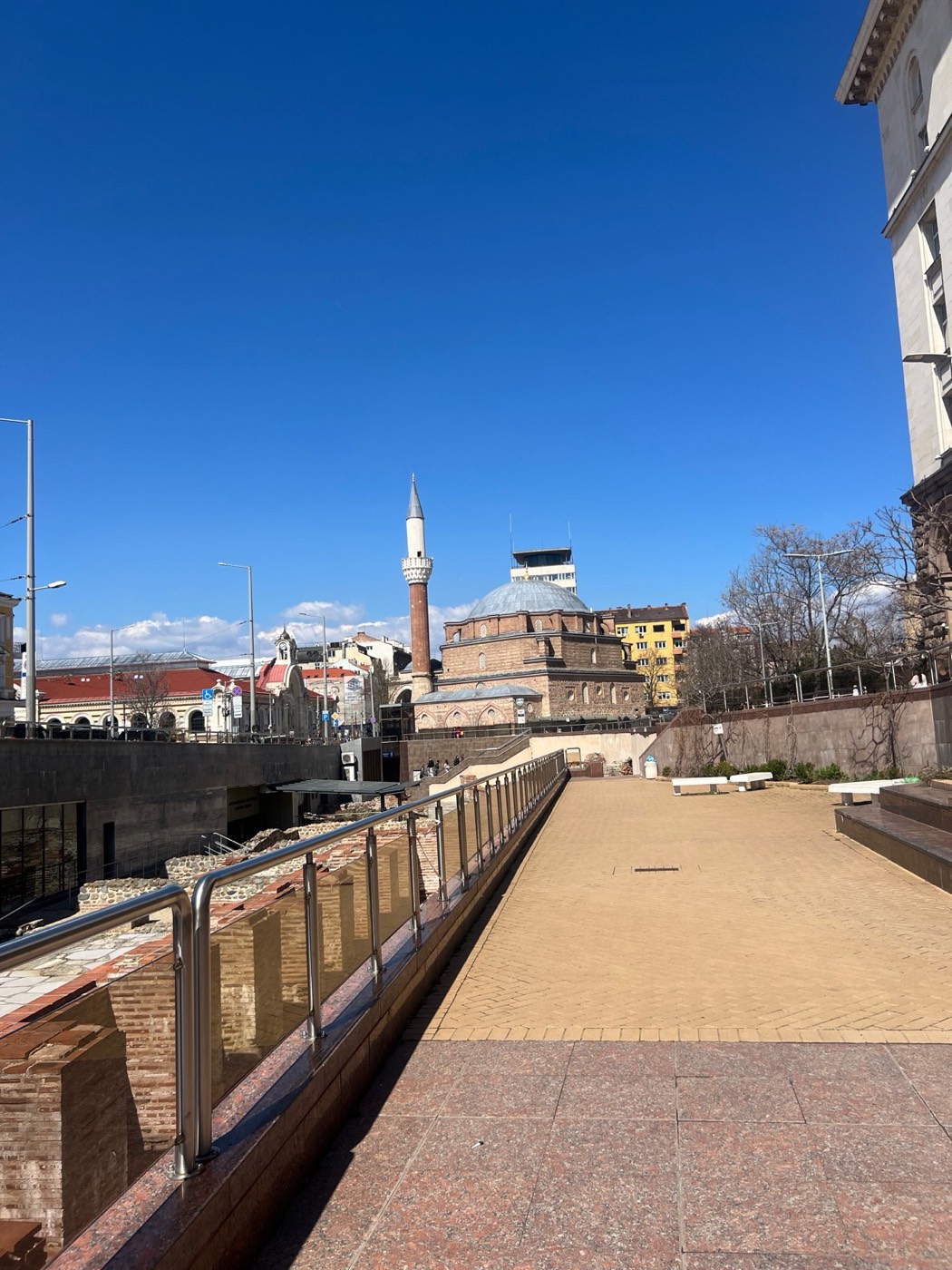
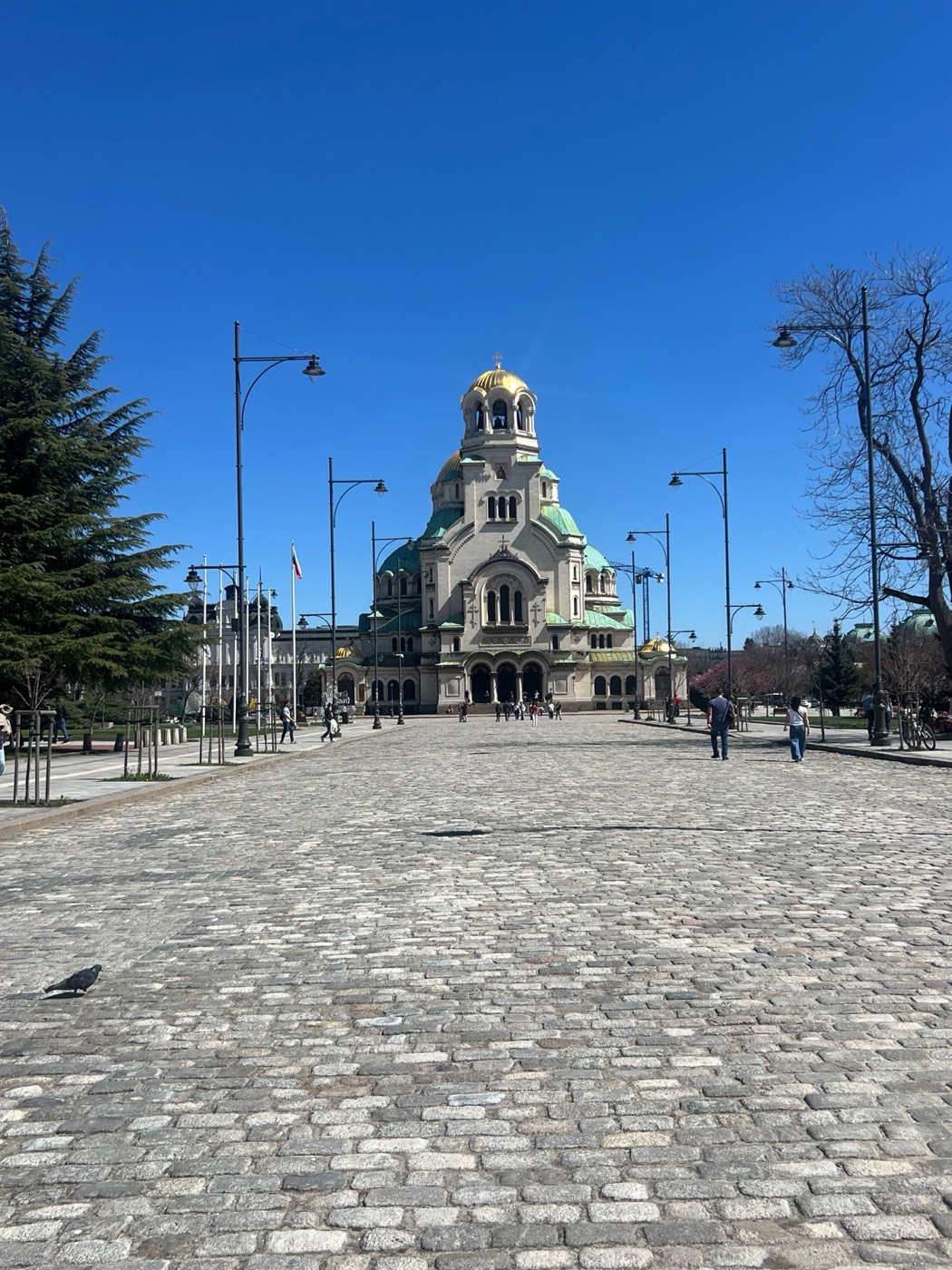
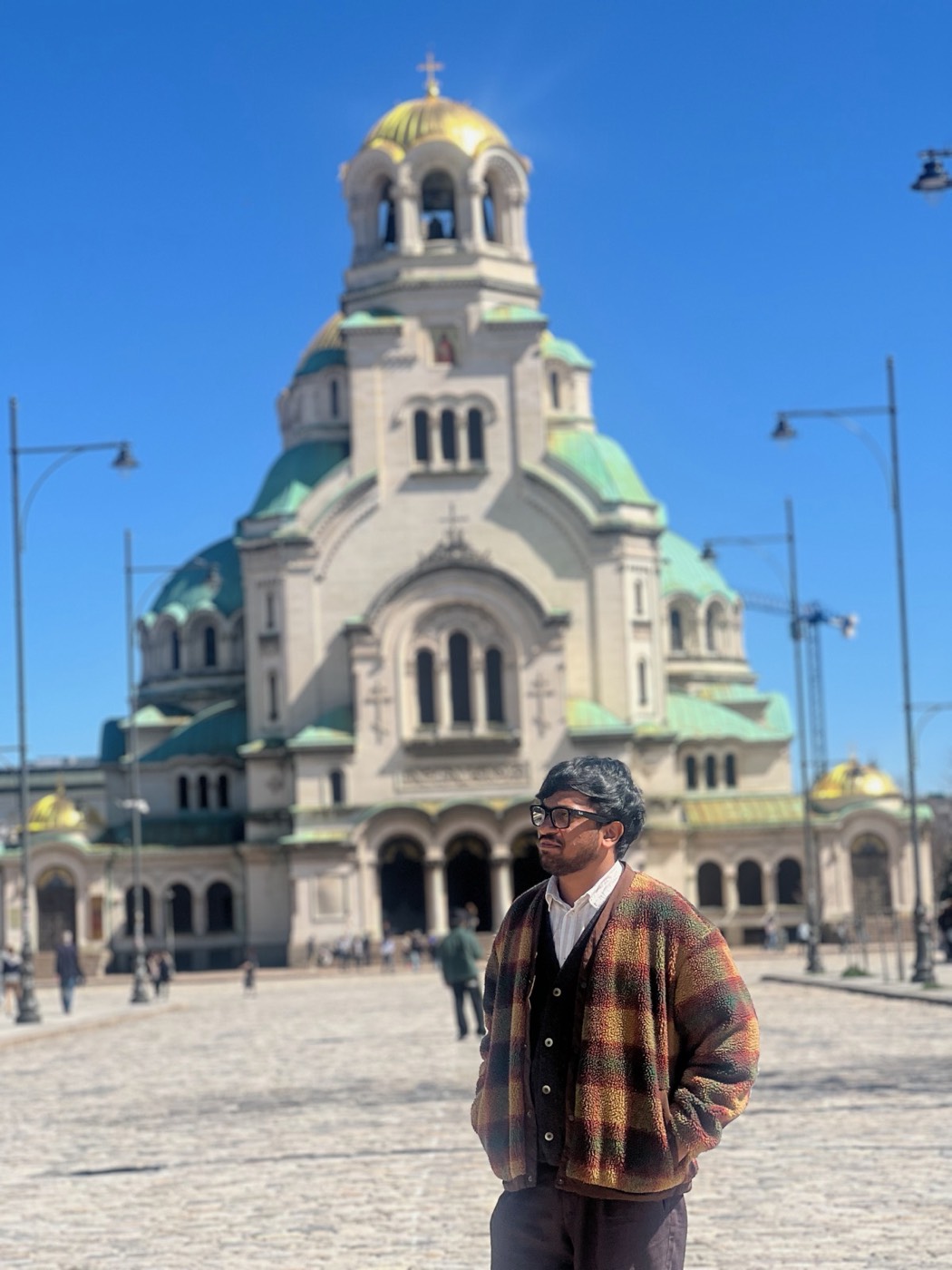
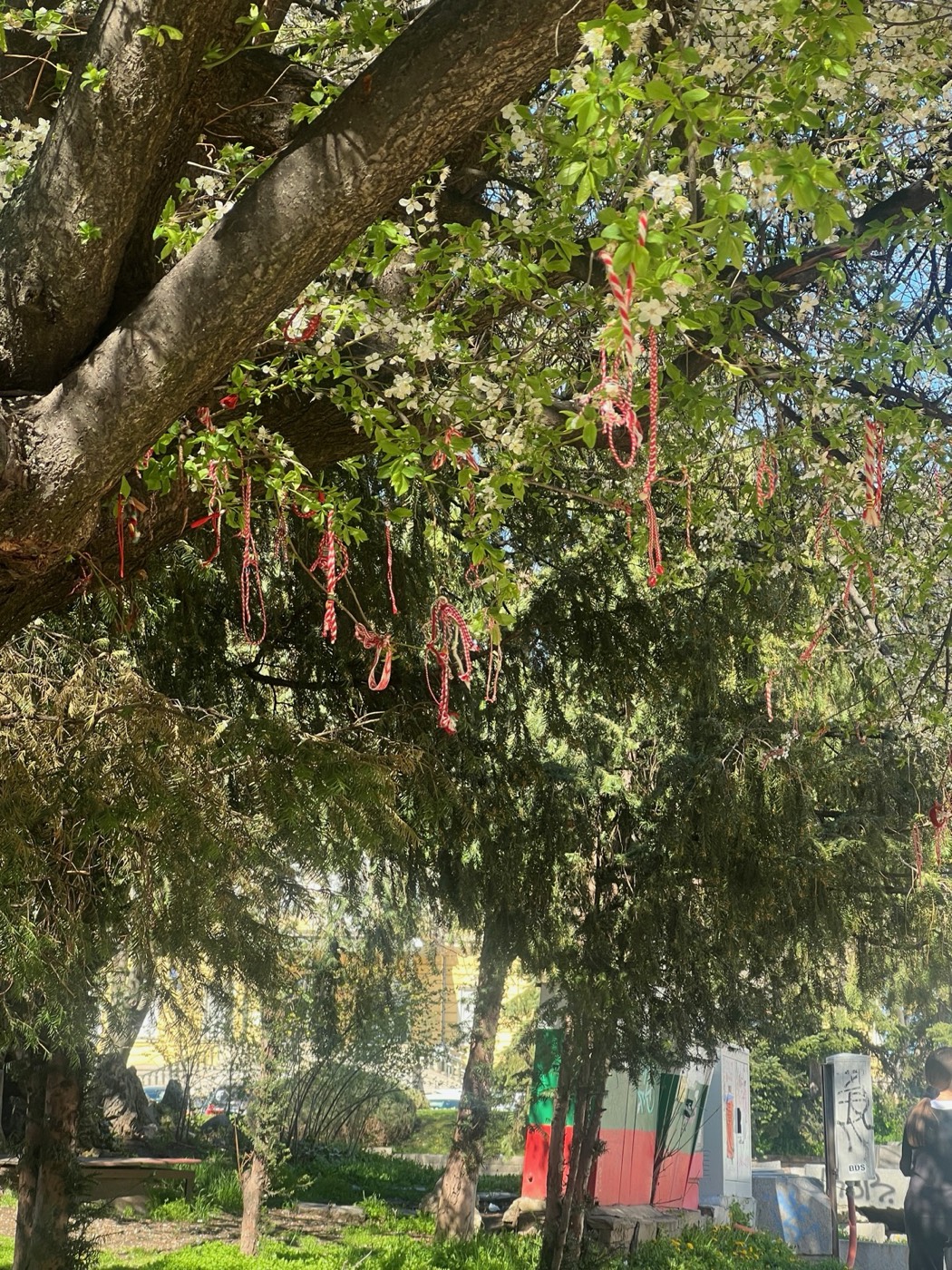
Alexander Nevsky became the landmark I kept returning to. Its gold dome changes with the light, while the square around it never quite stops moving. Yet one of the gentlest details of Sofia was in the trees: red-and-white martenitsi tied to flowering branches, small wishes left behind when spring arrives.
In Sofia, history was not kept behind one museum door. It kept interrupting the walk.
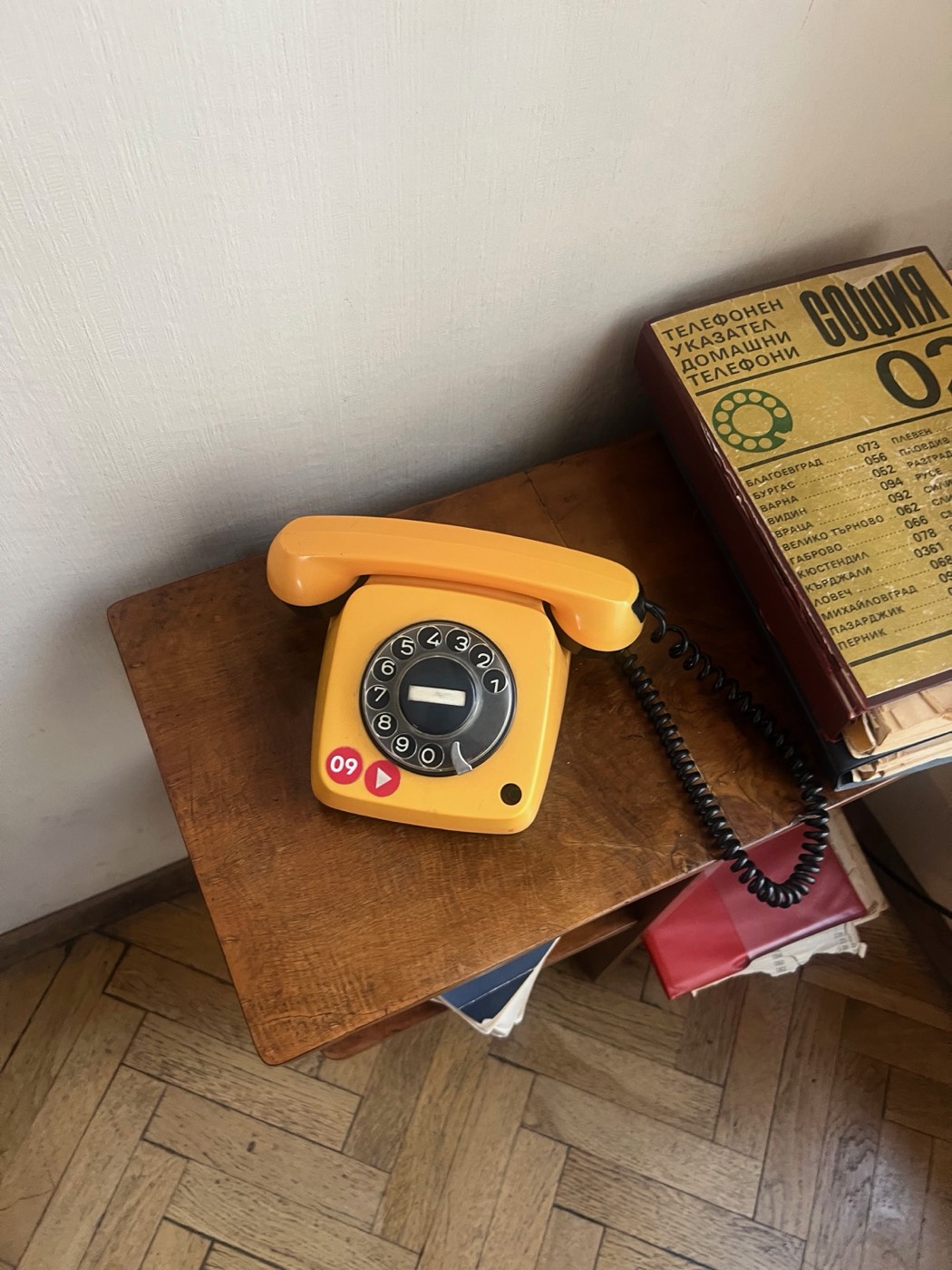
The days also had their quieter rhythm: long meals, warm interiors, parks beginning to turn green, and little objects that made me stop, including a bright yellow telephone that looked as if it had waited decades for another call.
Where we stayed, ate and stayed out late
The monuments were only the daytime story. Looking through the full camera roll brought back the apartment mornings, long tables, rakia tastings and the nights that finished much later than planned.
A temporary home near Zaimov Park
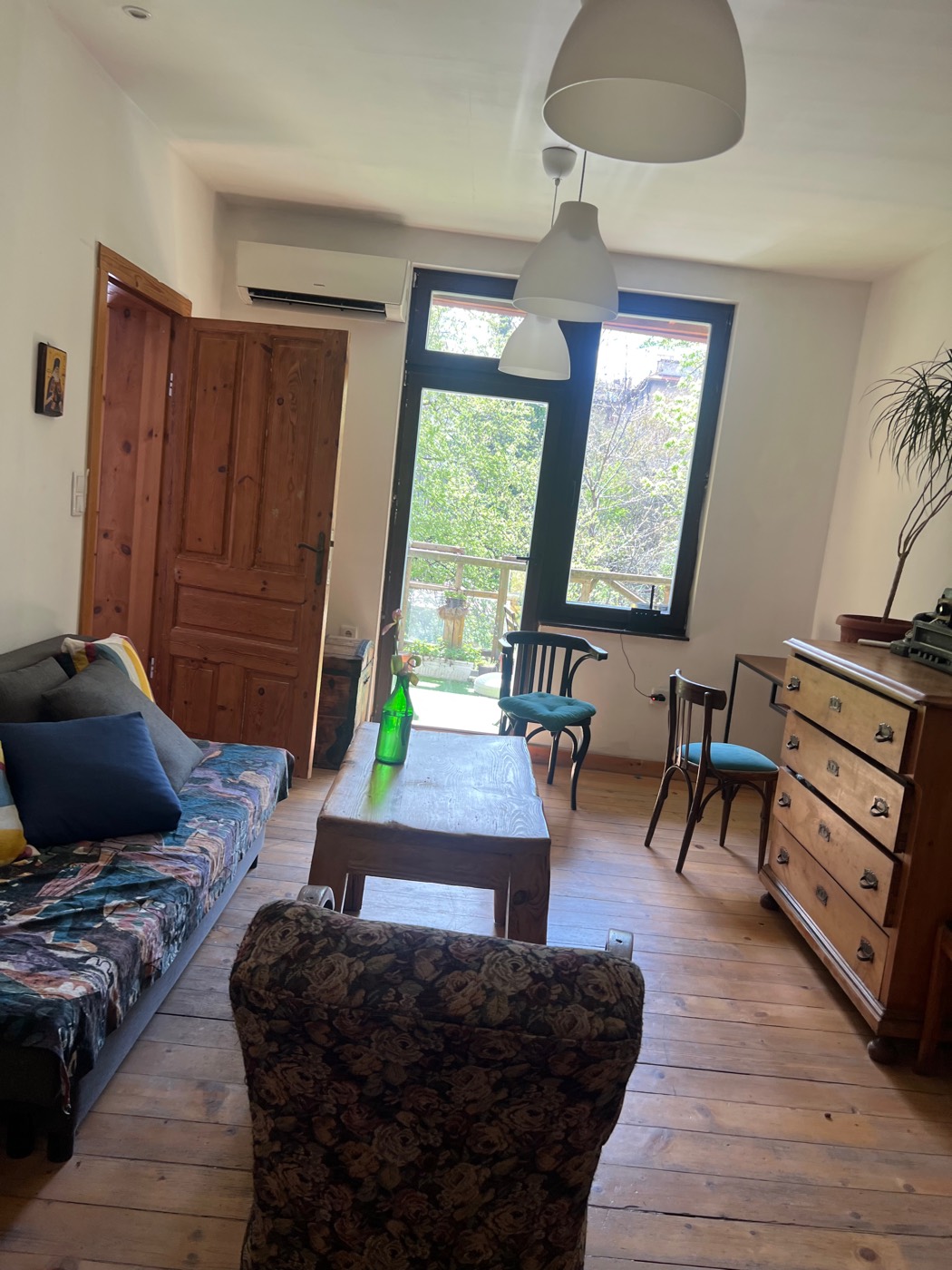
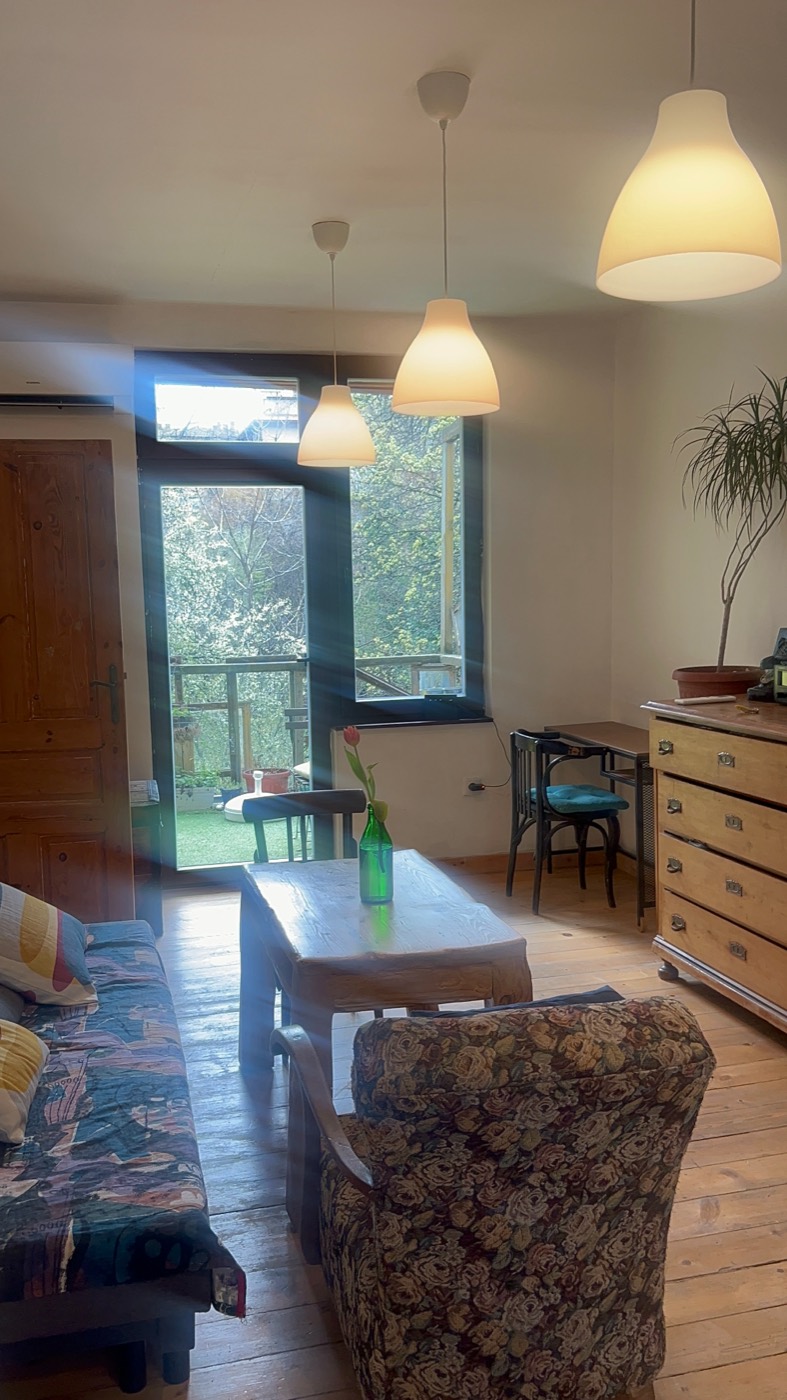
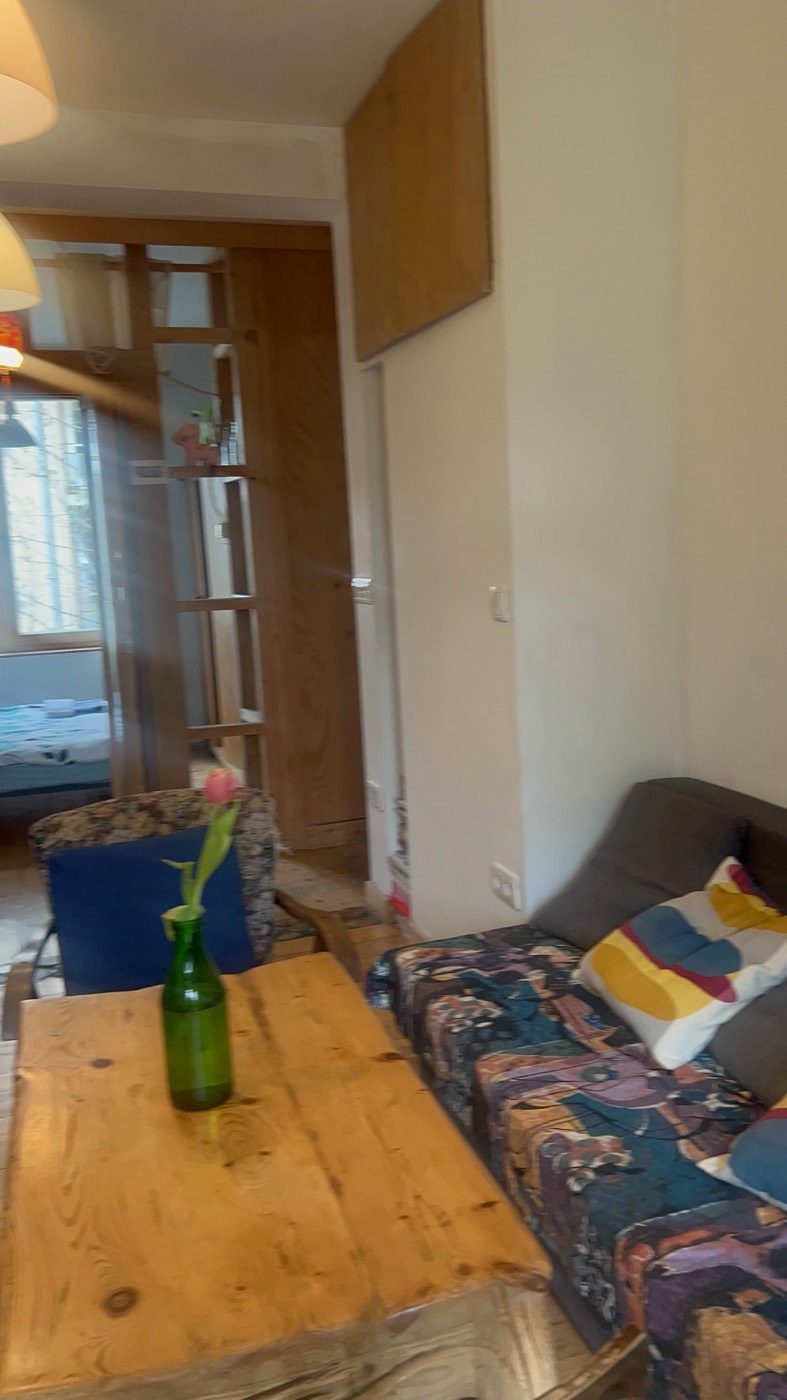
We stayed in Oborishte, a residential part of Sofia just east of the centre. The apartment had wooden floors, a bright living room and enough space to reset between long days. It became the constant in the trip: bags by the door, plans made around the table, and the same room waiting after Rila and Plovdiv.
I am sharing the neighbourhood rather than the private residential doorway.
Raketa Rakia Bar
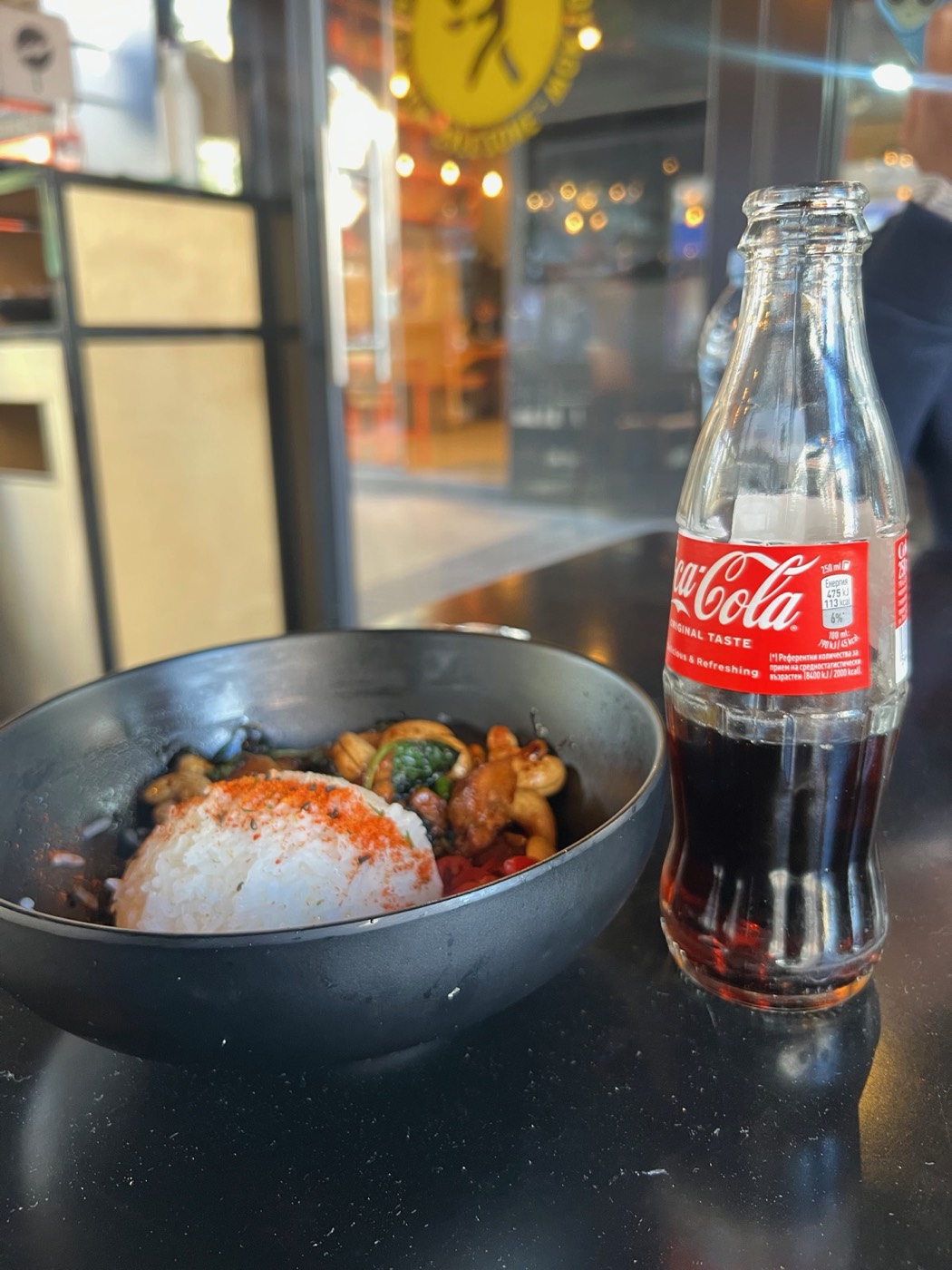
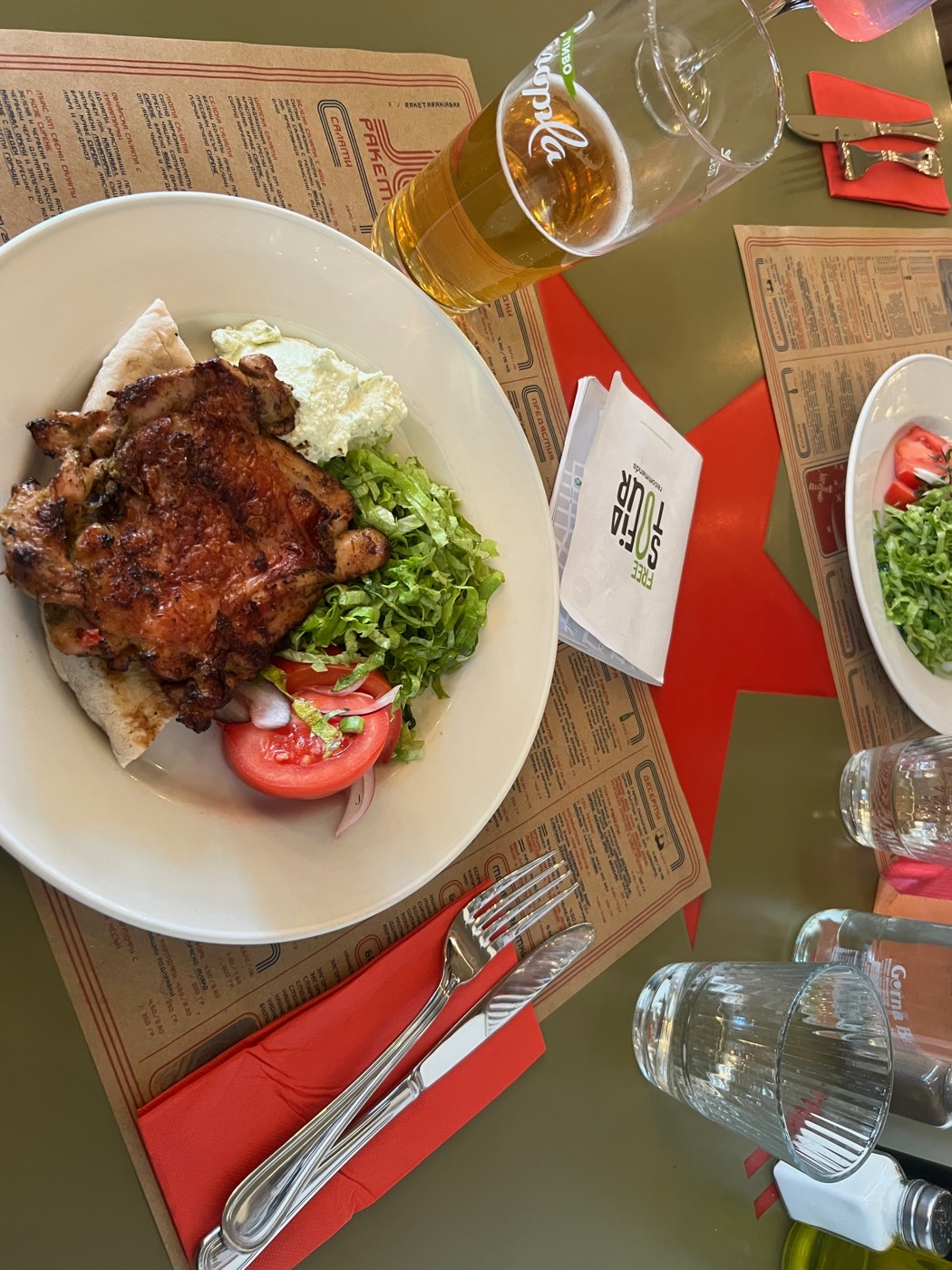
The first deep dive into Bulgarian food came in a room filled with socialist-era posters and space-race memorabilia. The plate was generous, the beer cold, and rakia was not treated as a novelty but as part of the table.
15–17 Yanko Sakazov Blvd · Sofia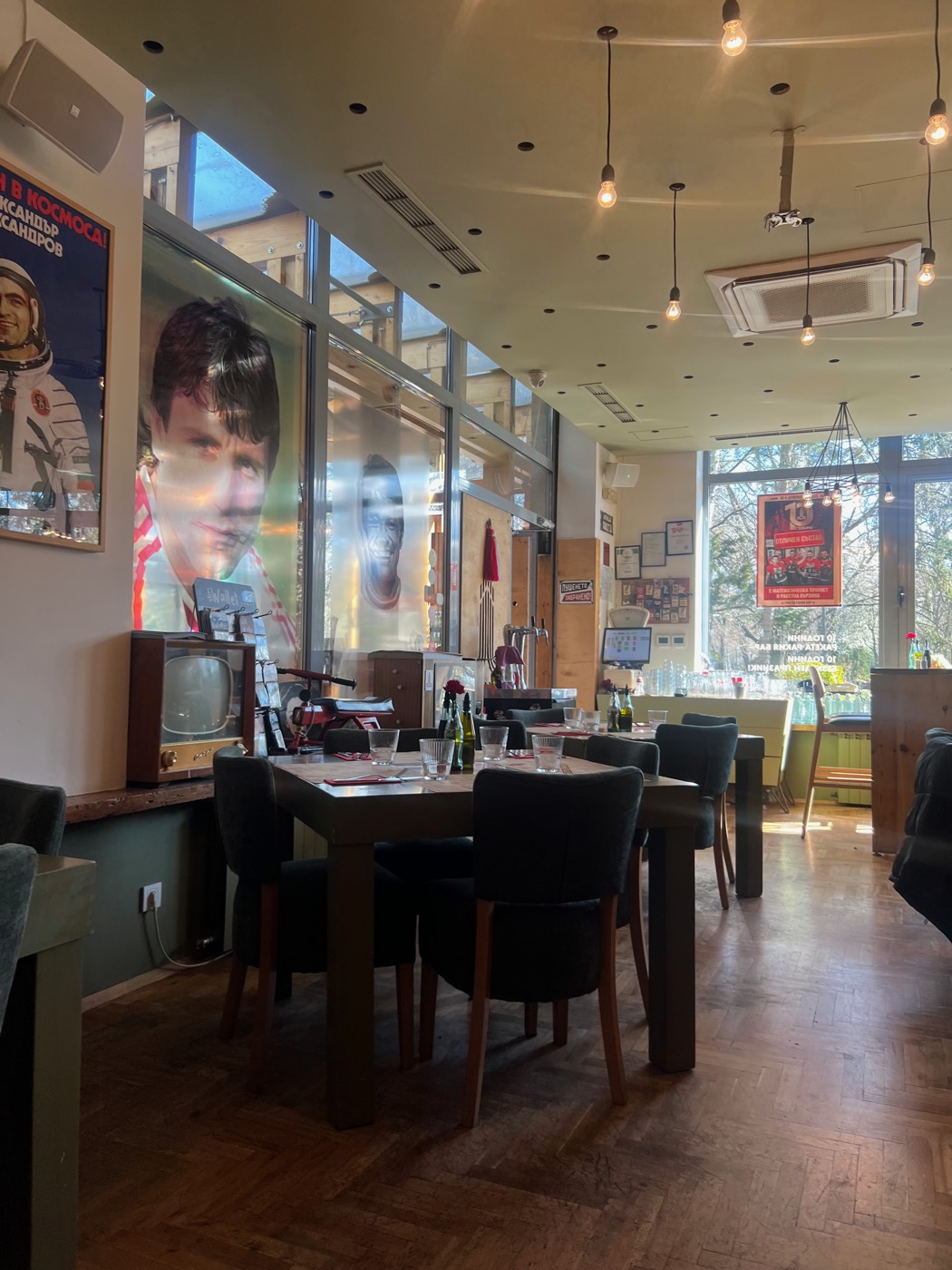
One more drink off Vitosha
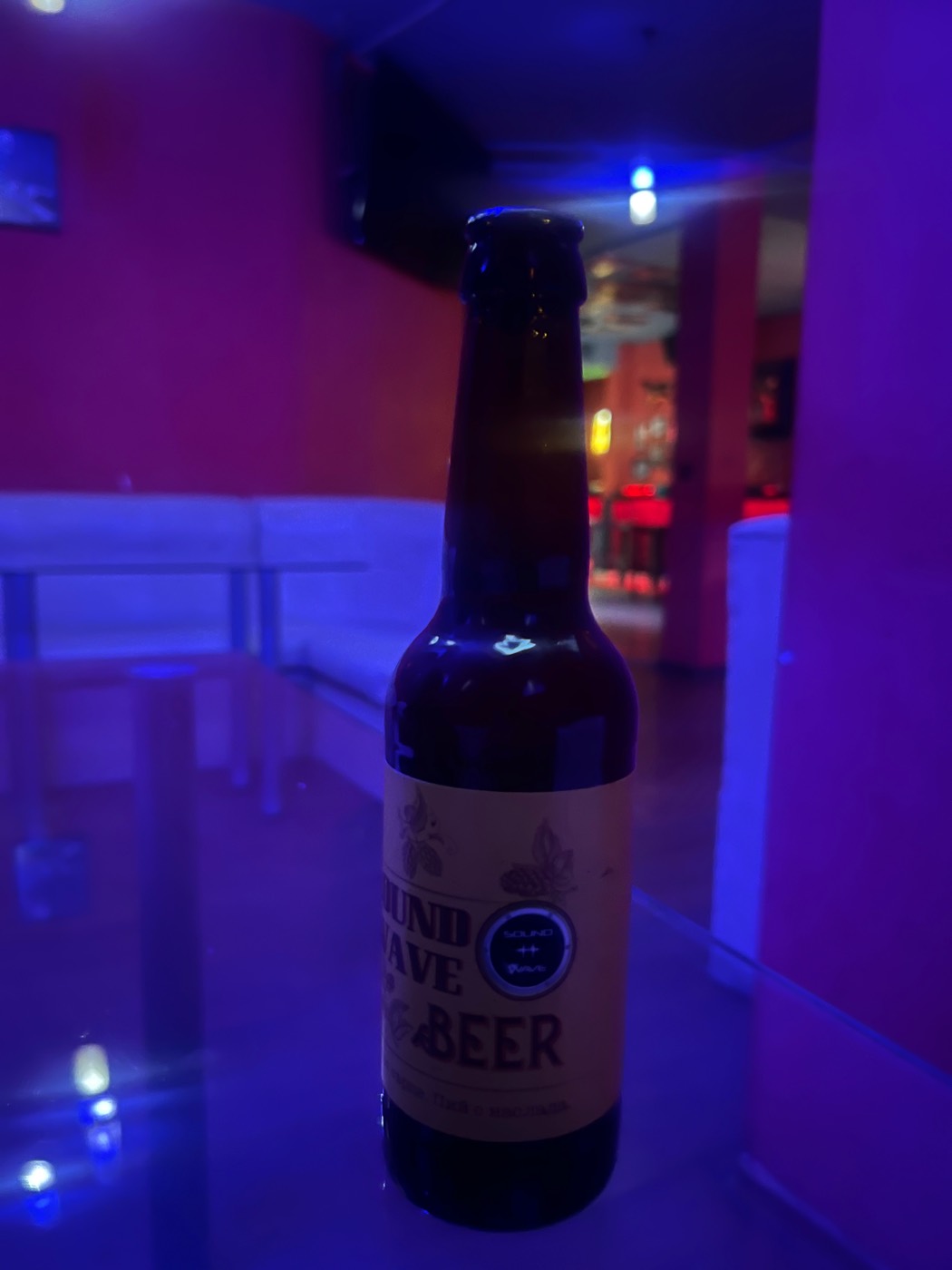
The camera roll jumps from dinner to neon. Close to midnight, a beer under red lights became the final frame of the night. Sofia's centre changed character after dark: less monumental, more improvised, and much louder.
Vitosha Boulevard area · Sofia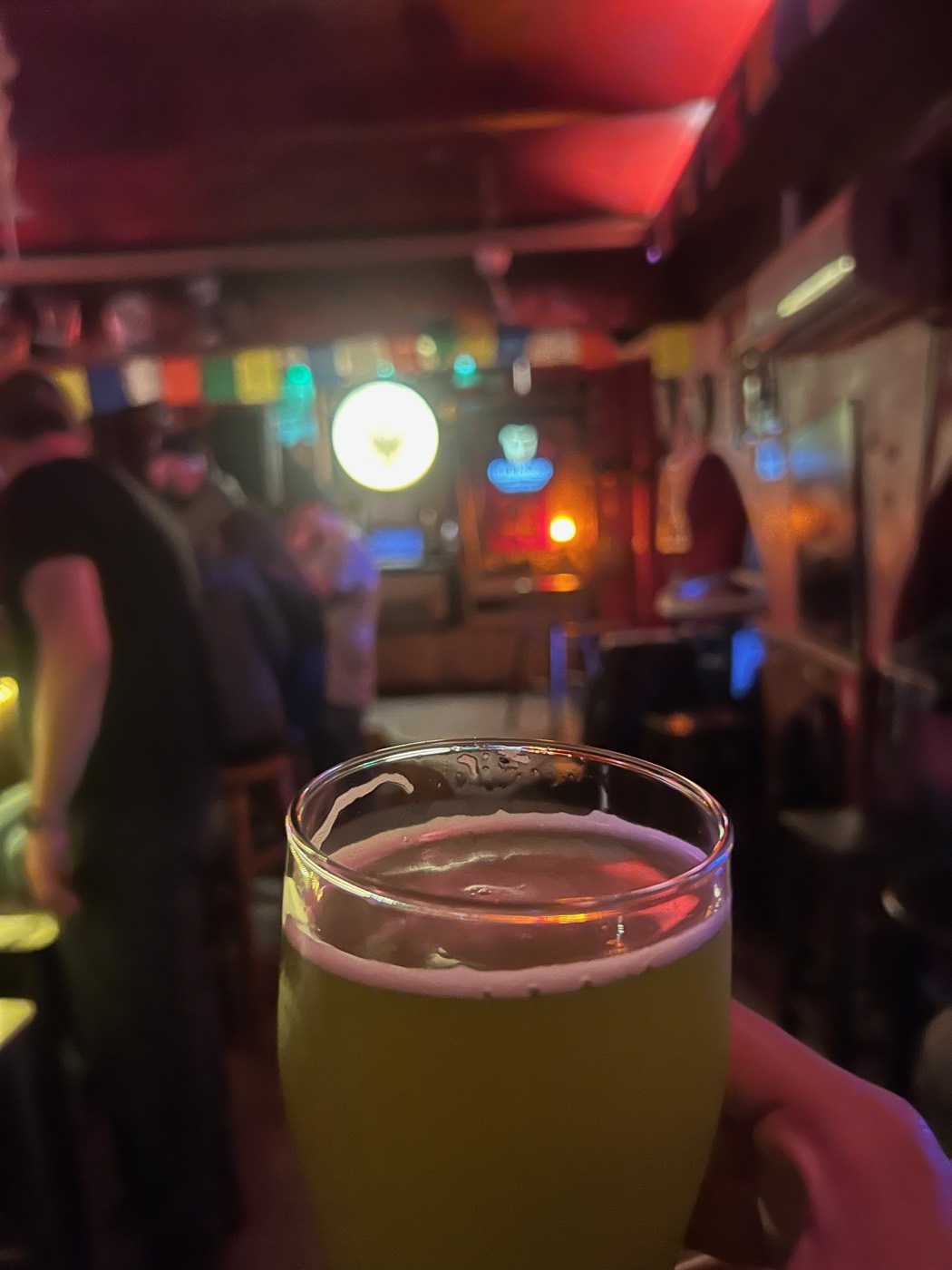
Hadjidraganovite Izbi
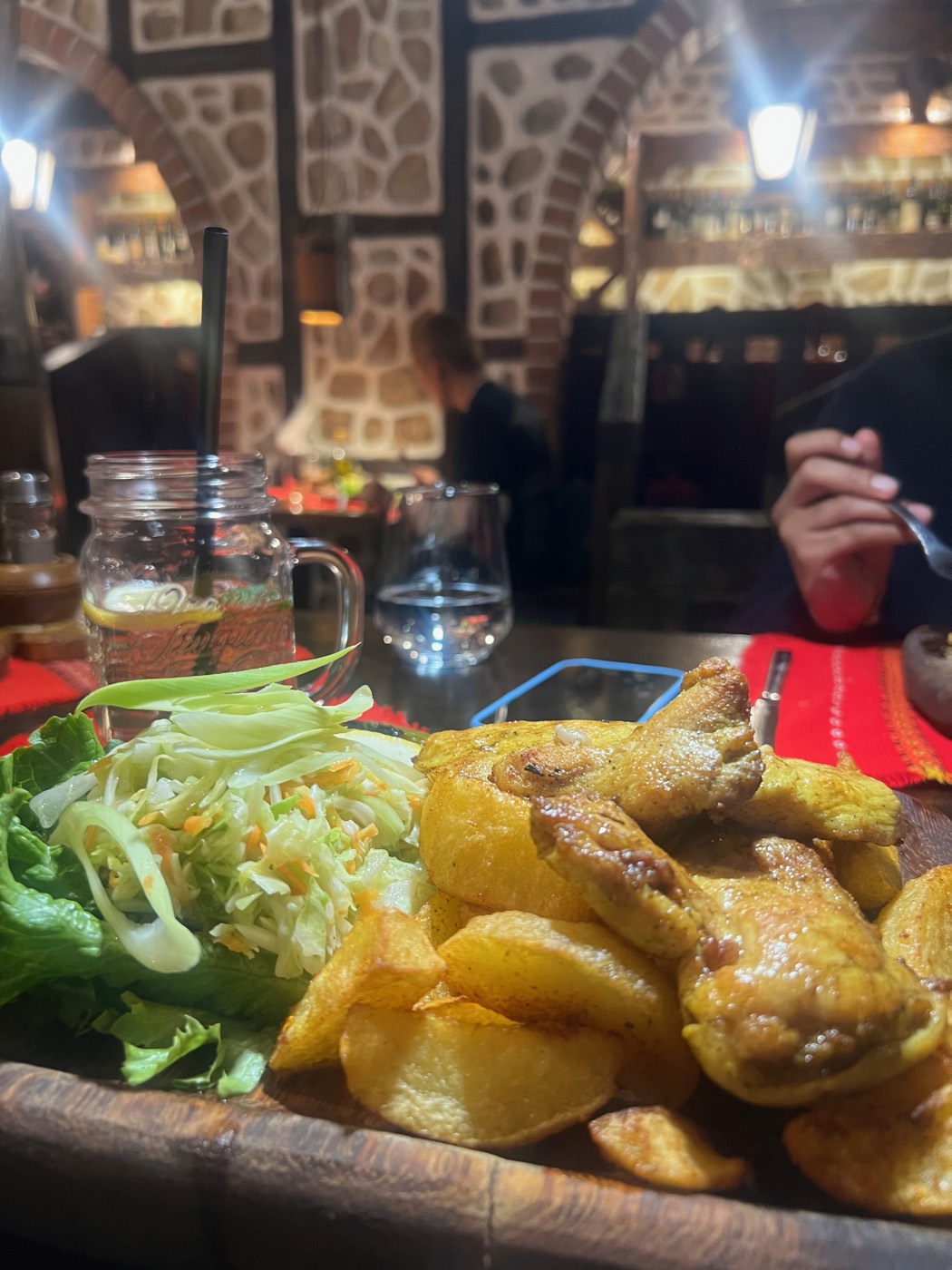
Stone walls, carved wood, woven textiles and shelves of wine made this feel like eating inside an old cellar. The food matched the room: grilled meat, potatoes and salad, uncomplicated and built for a long meal.
18 Hristo Belchev St · Sofia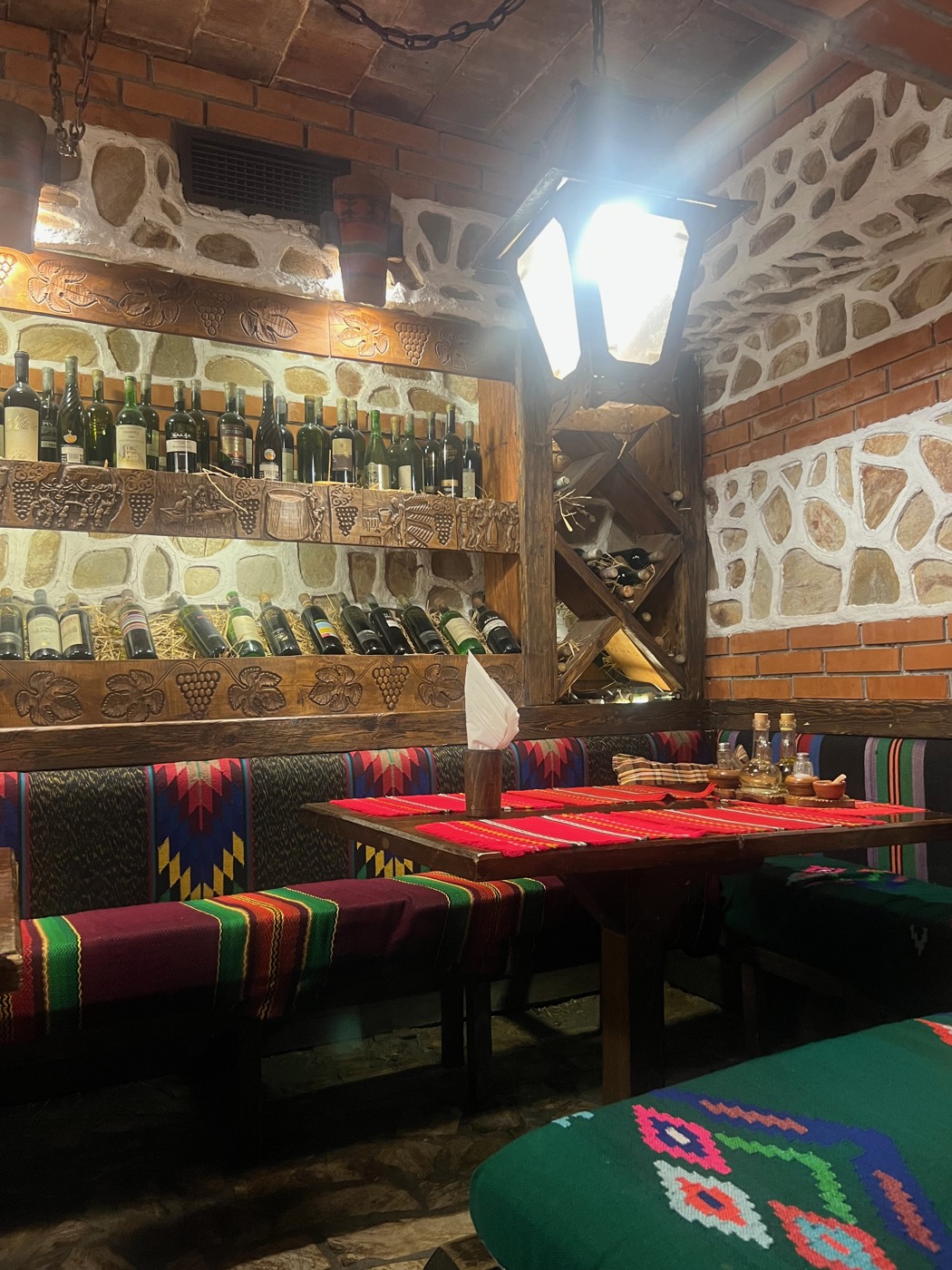
Three rakias, properly introduced
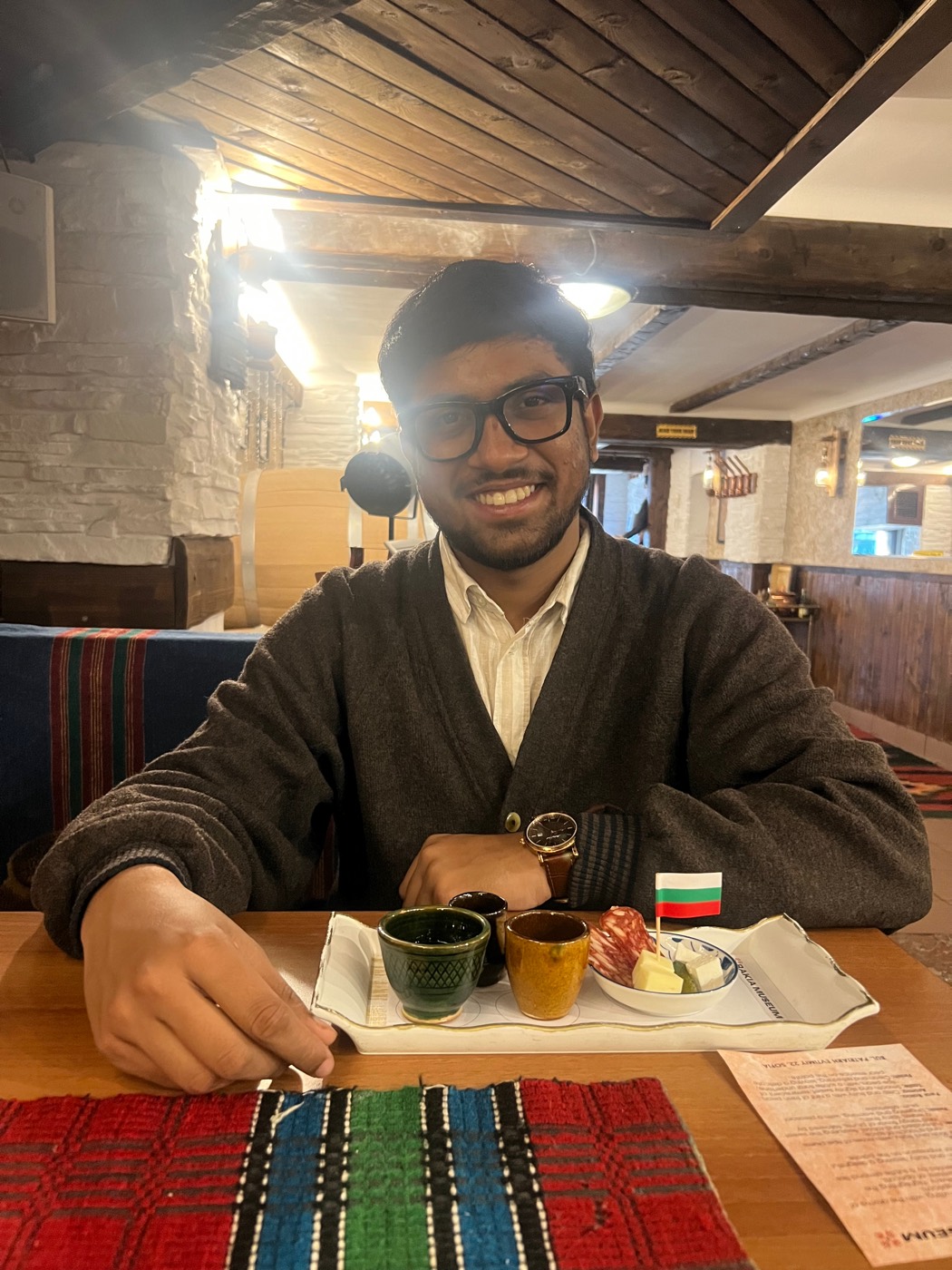
At the Rakia Museum, the tasting came with cheese, cured meat and notes explaining the fruit behind each glass. It turned a drink I had been seeing everywhere into a small lesson in Bulgarian culture.
22 Patriarh Evtimiy Blvd · Sofia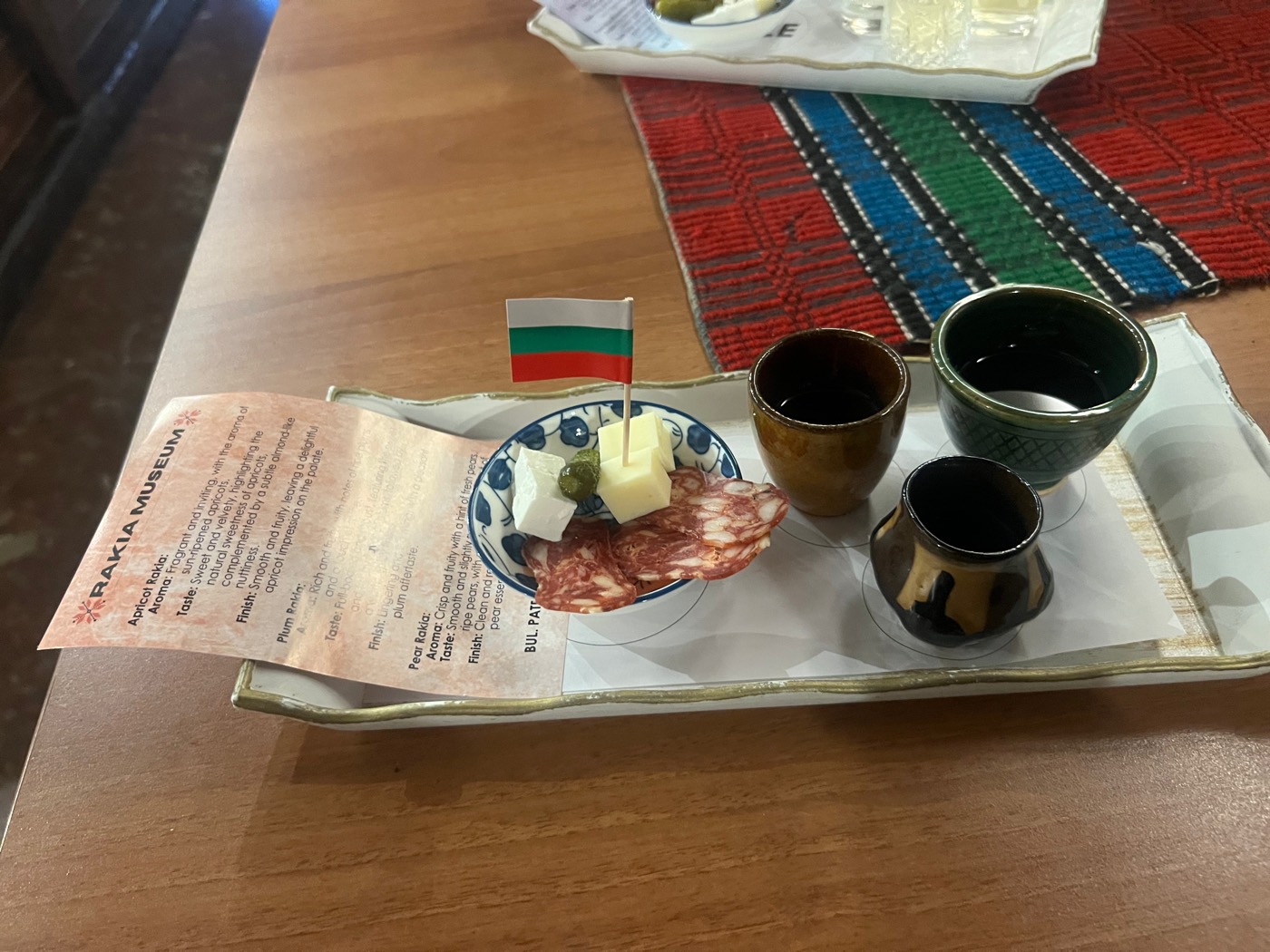
Rila in two halves
On April 8 we left Sofia for the mountains. The day had a clear order: Rila Monastery first, then Panichishte and the route towards the Seven Rila Lakes. In a few hours the landscape changed from a green valley to full winter.
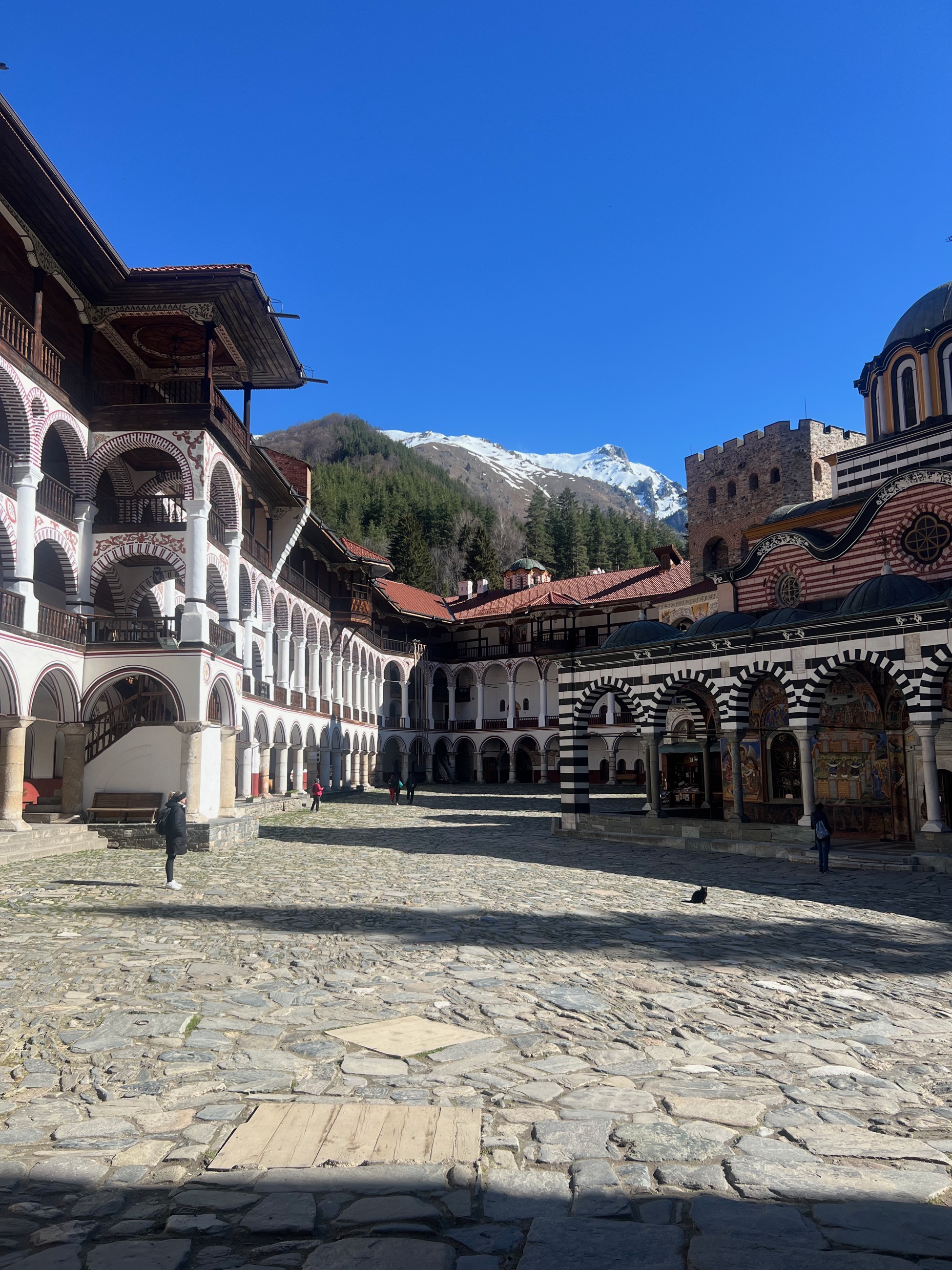
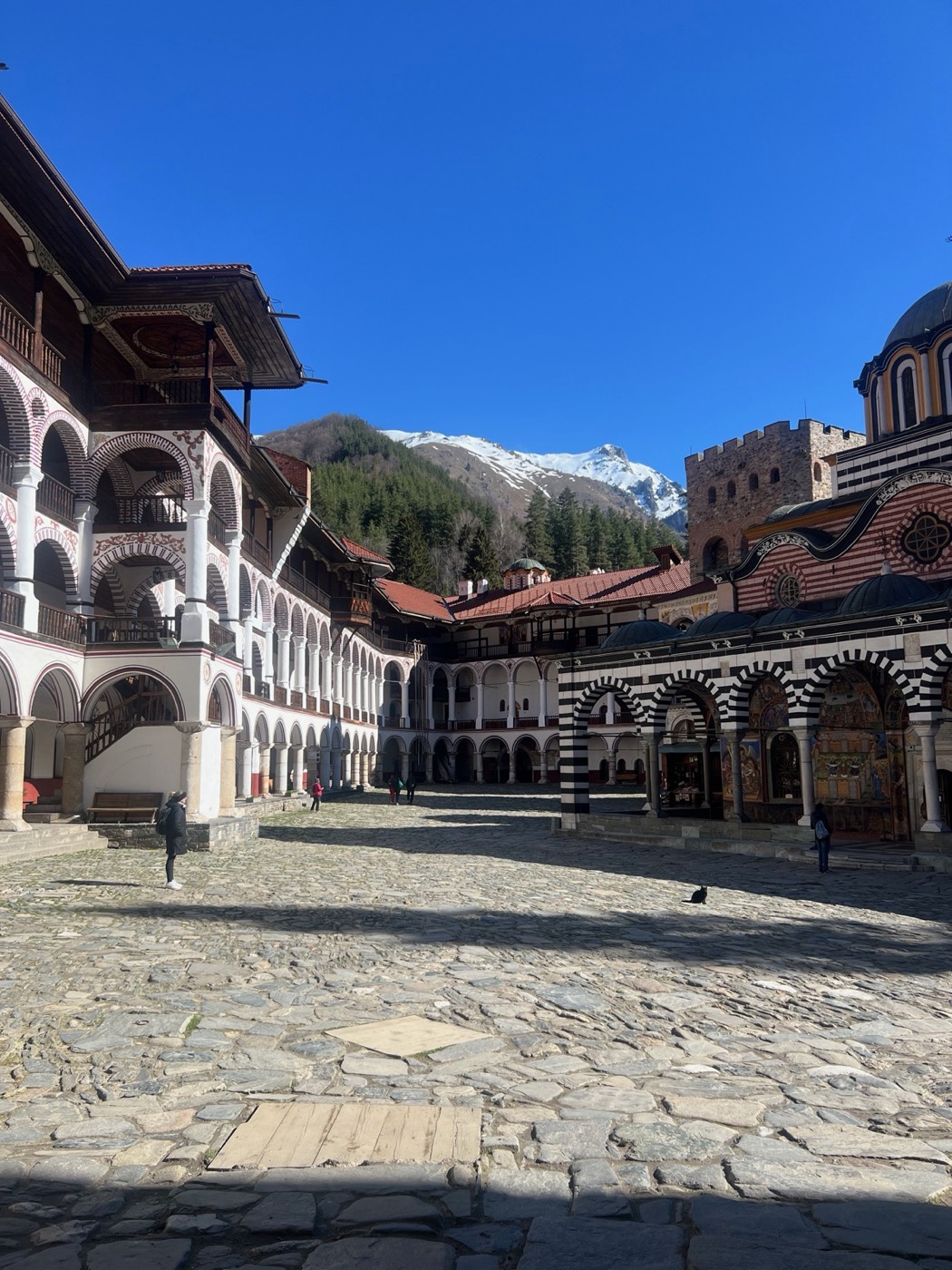
The monastery appears at the end of the road almost like a fortified village. Through the stone gate, the courtyard opens into striped arcades, timber galleries, painted walls and a snowy ridge rising behind the roofs. Every direction held another frame.
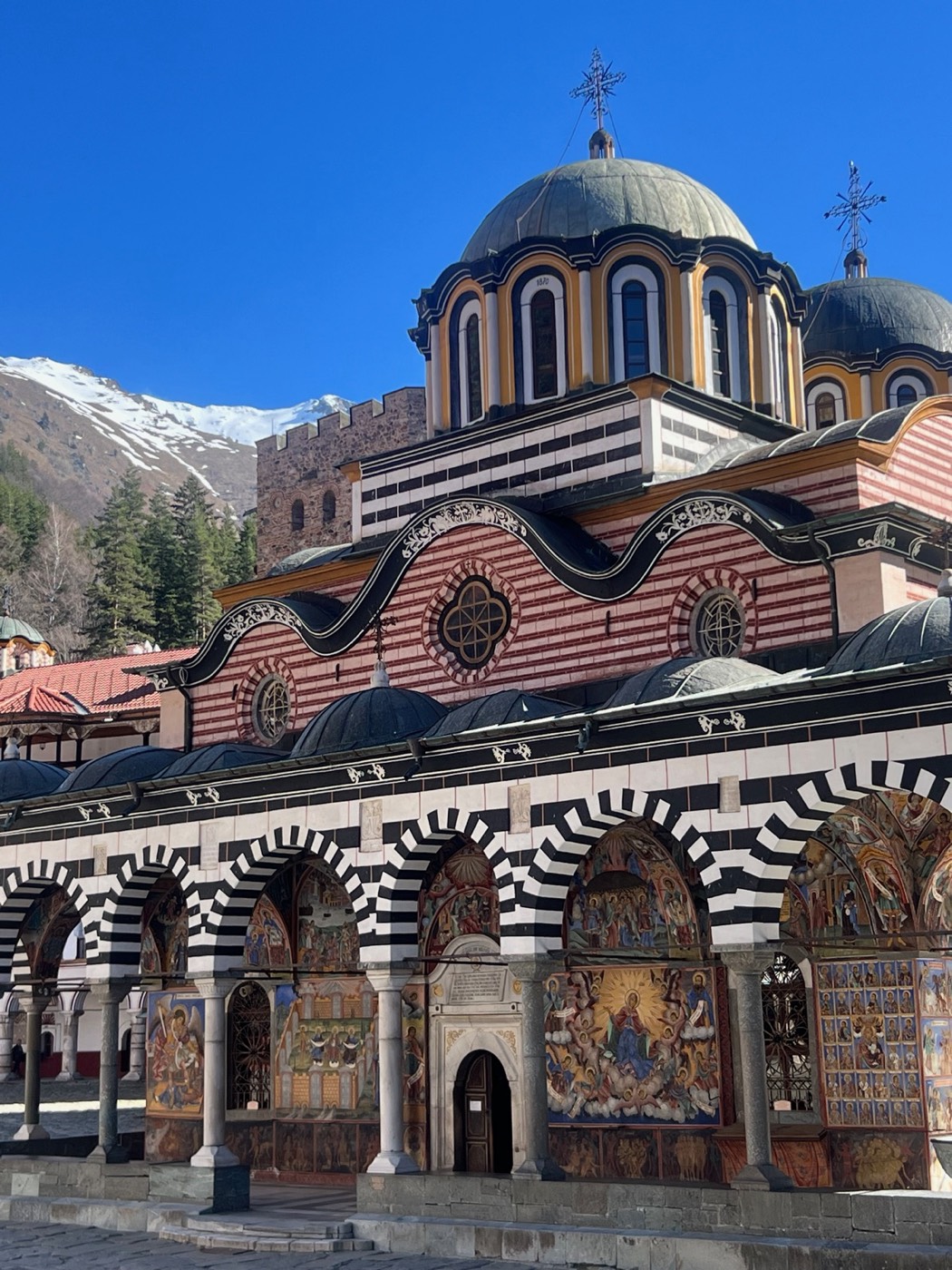
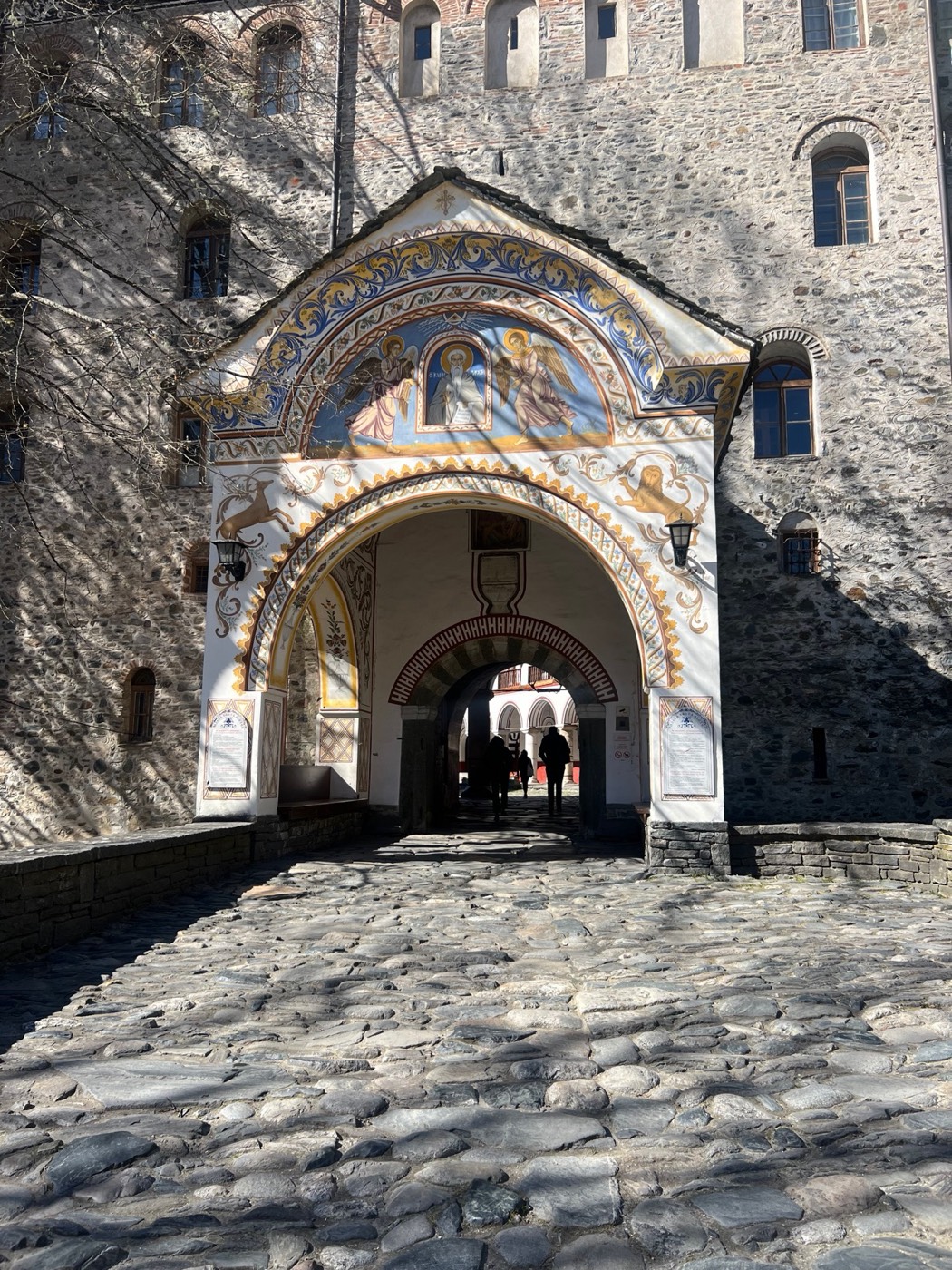
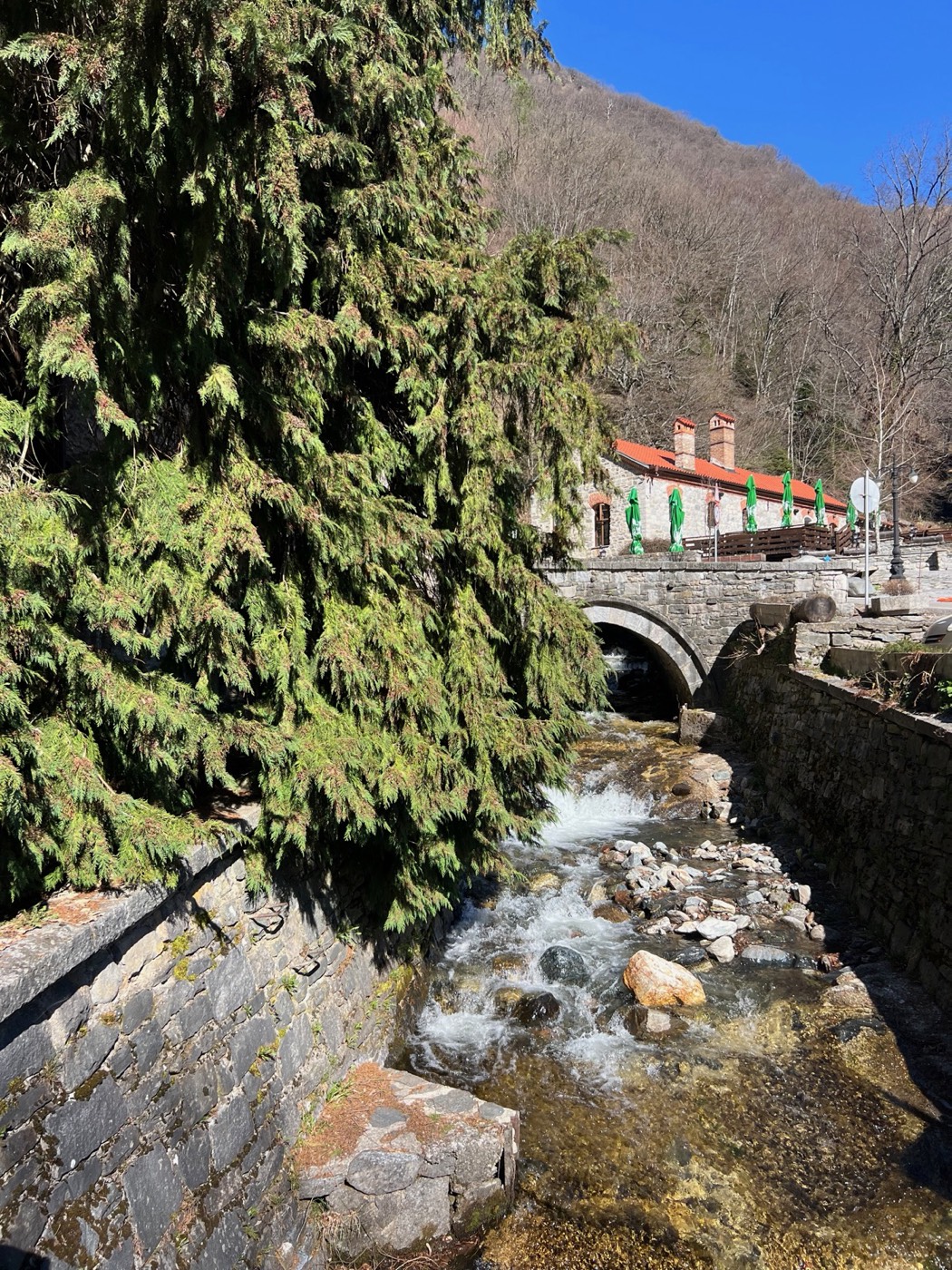
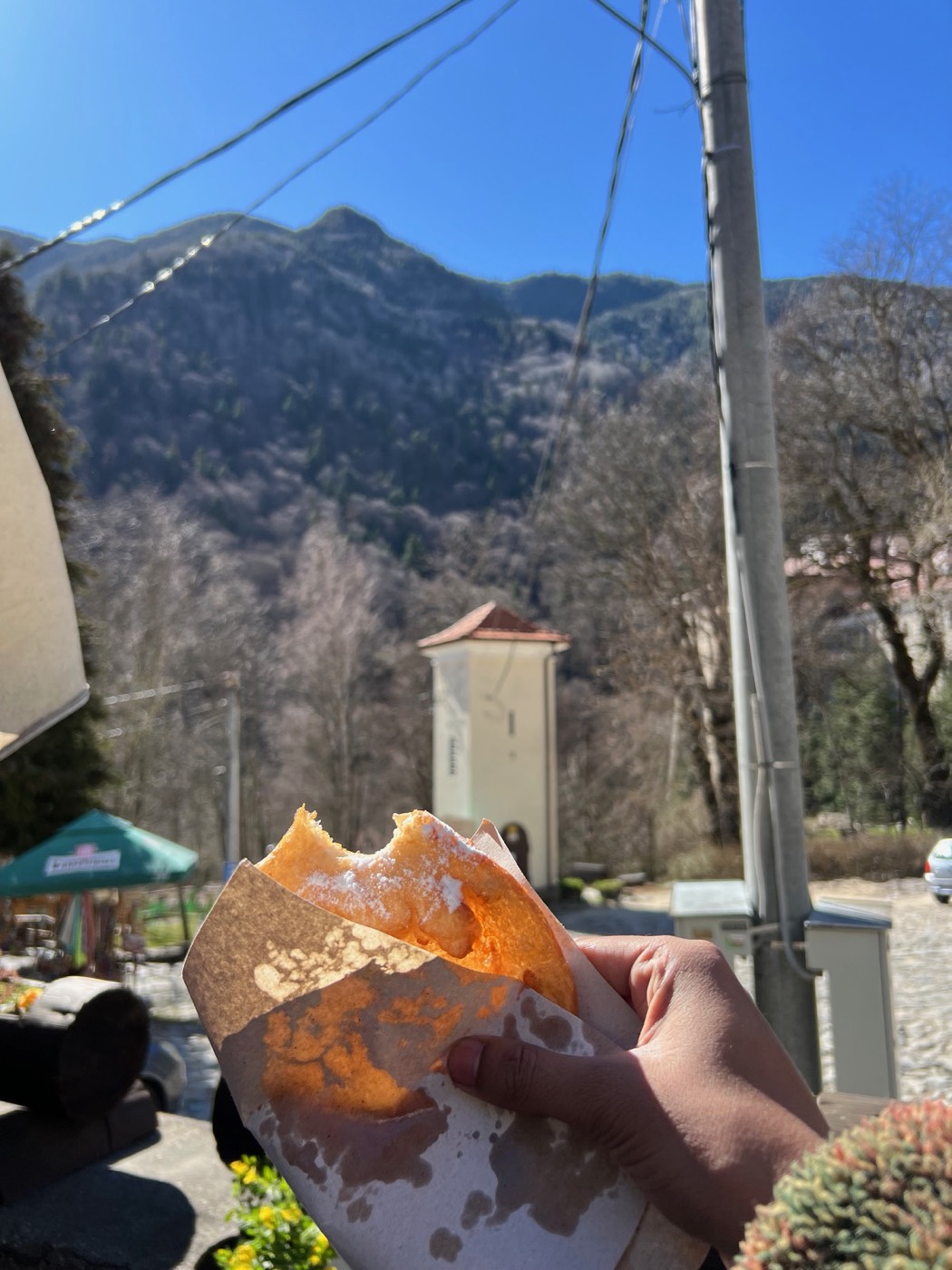
Outside the walls, the mountain was still part of every pause: water running through the valley, a quick snack with the ridge in view, then the road climbing towards Panichishte.
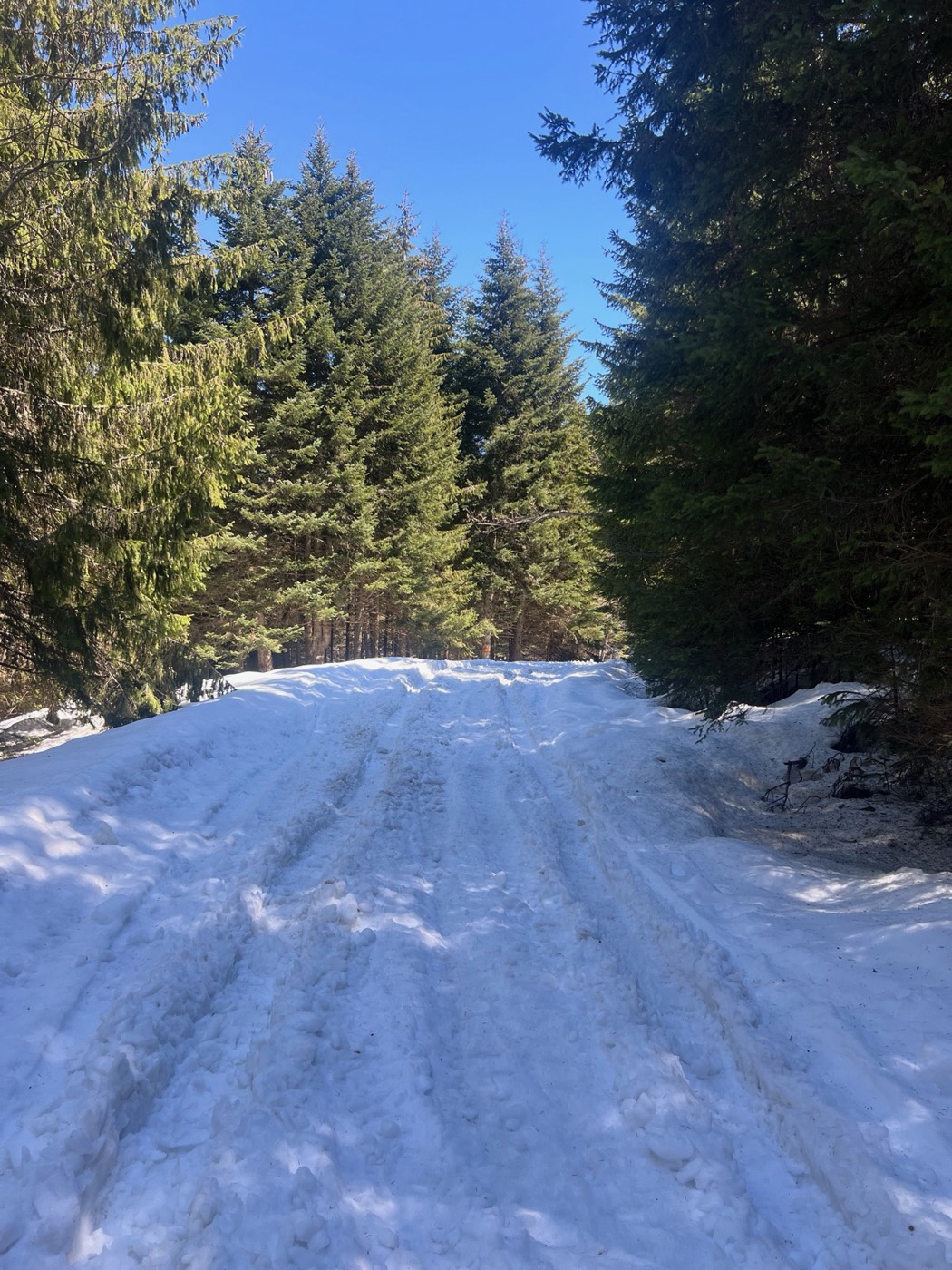
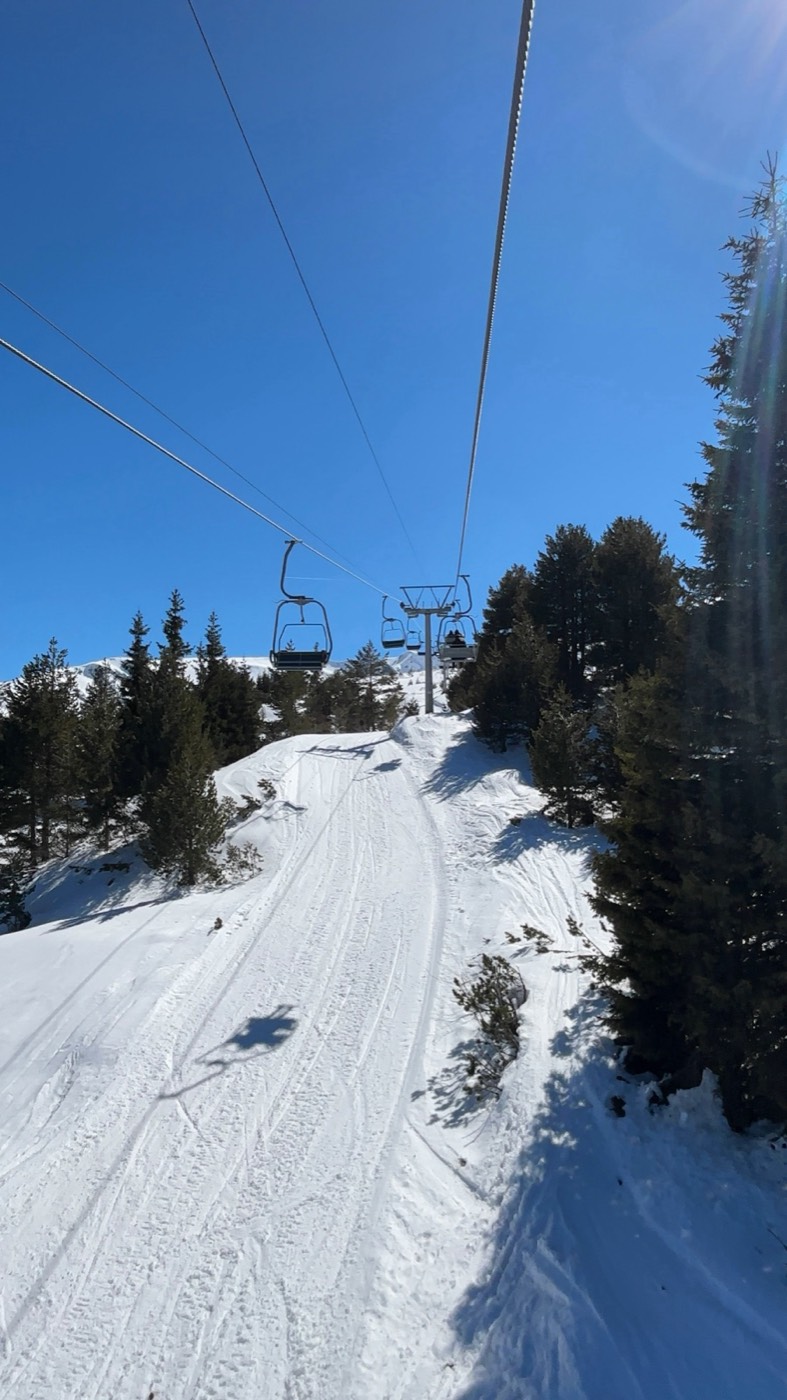
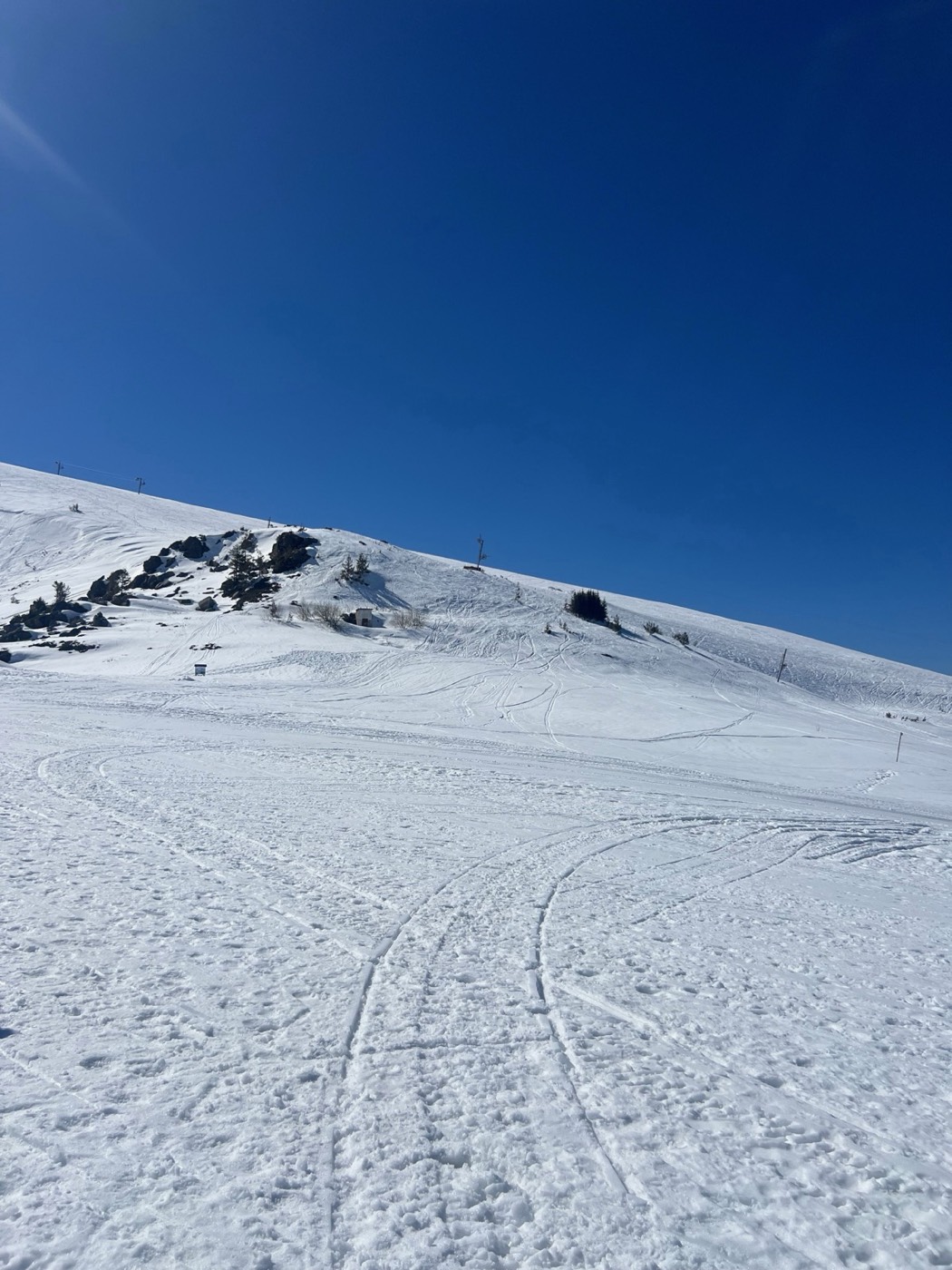
Higher up, April disappeared. The forest floor was white, the chairlift crossed above snow-covered slopes, and the approach to the lakes became a world of blue sky and hard, bright snow. The photographs remember the contrast best: blossom in Sofia one day, boots sinking into winter the next.
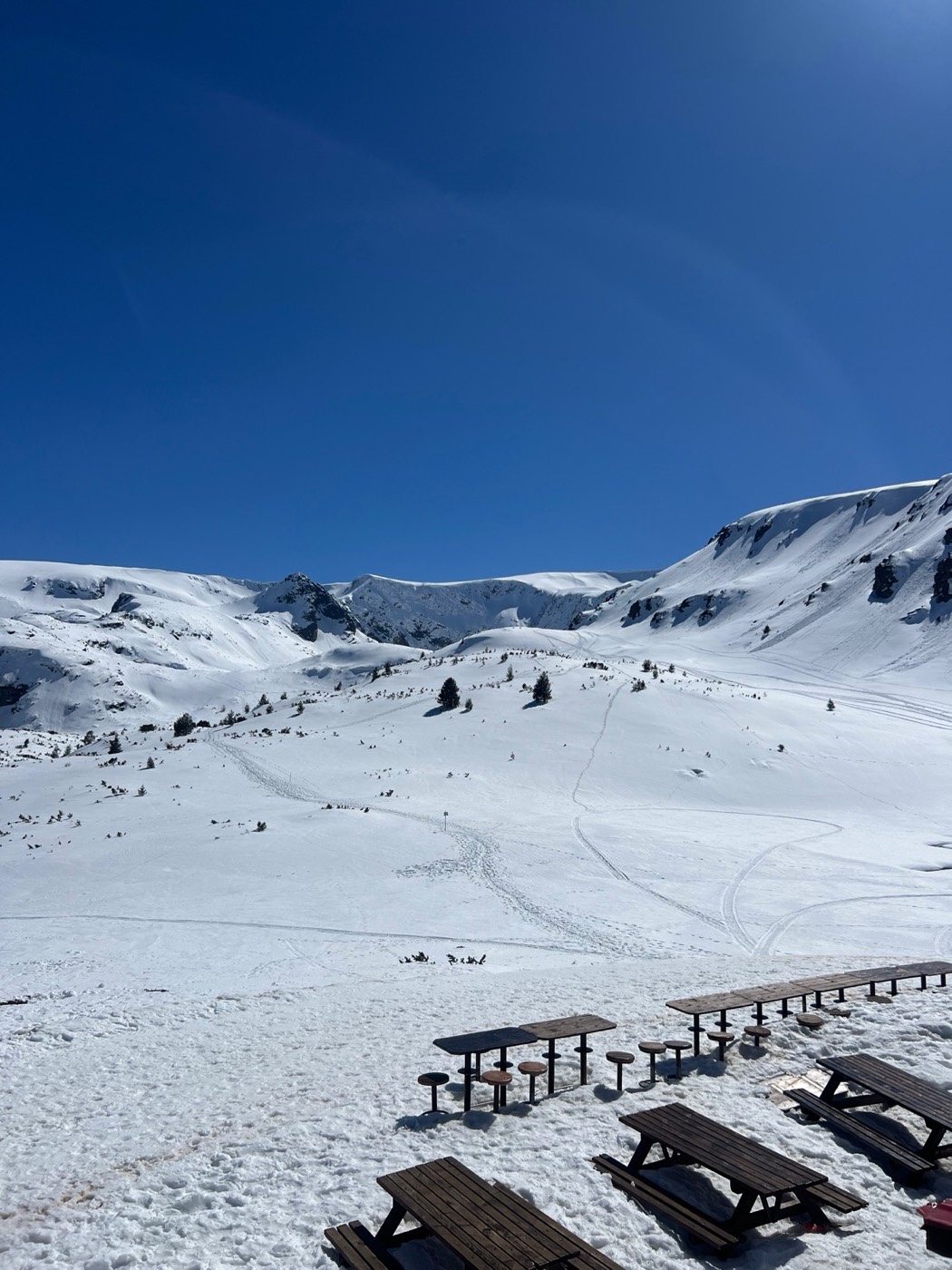
Above Panichishte, winter had not left.
What kept us moving
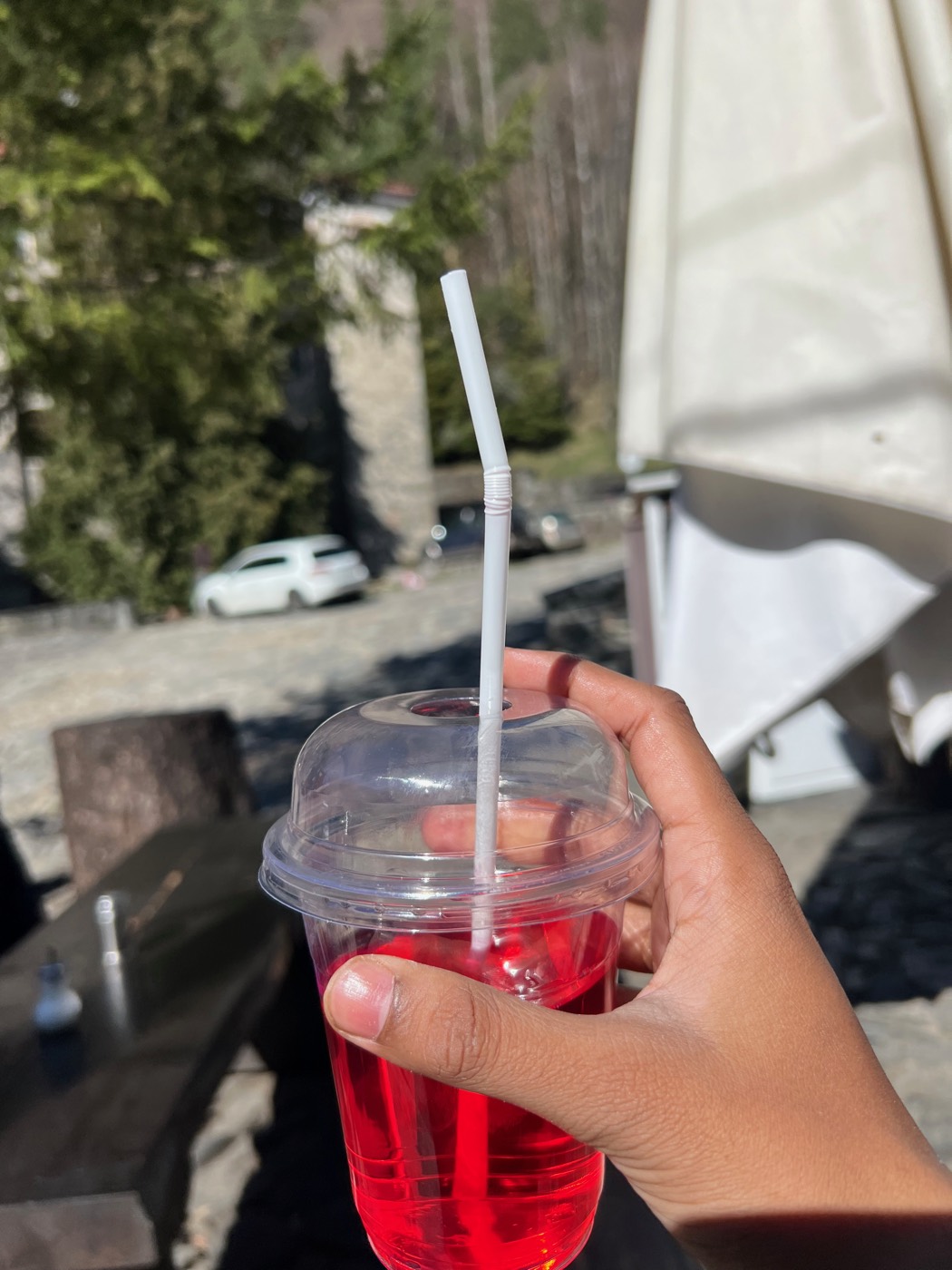
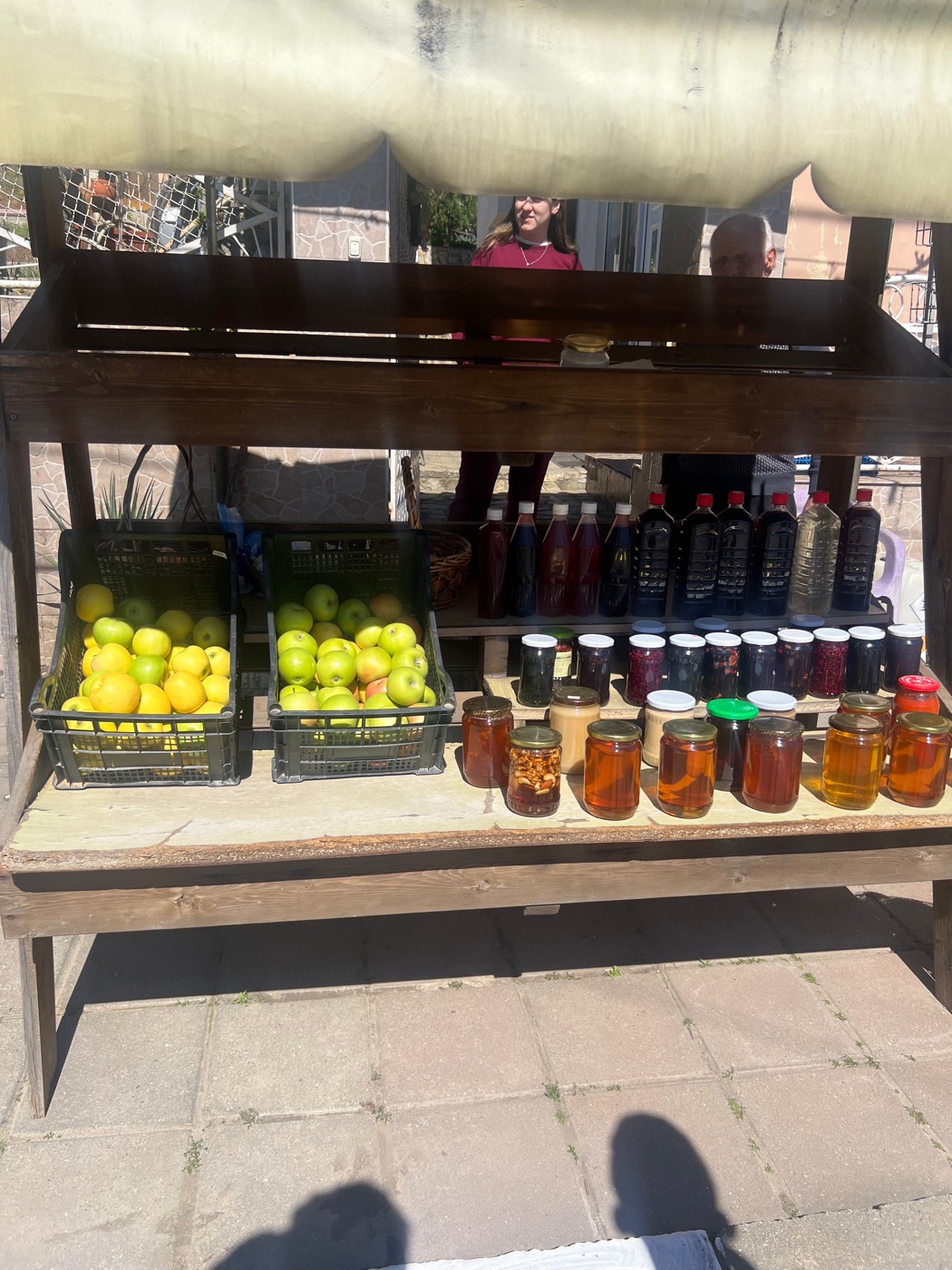
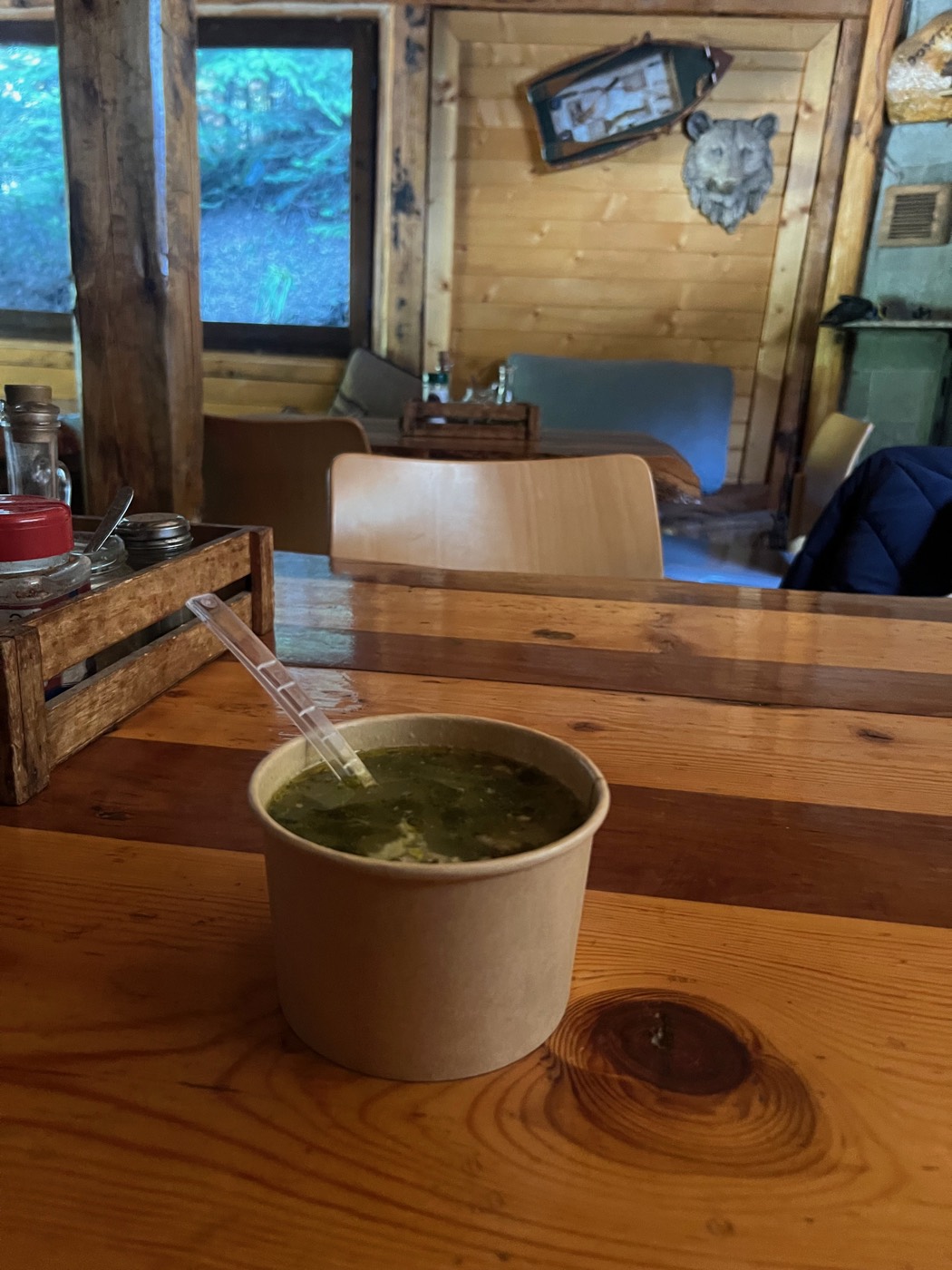
The Rila day was not one continuous march. There were roadside pauses: a hot bowl after the cold, shelves of local honey and bright fruit drinks, and something warm before heading back down the mountain.
Then Sofia turned the volume up
We returned from the mountains tired, but the night did not end quietly. In Studentski Grad, Sound Wave was all red light, warning signs and a neon guitar: a sharp cut from white mountains to a karaoke club in the same day.
Sound Wave · 4 Acad. Boris Stefanov St · Studentski Grad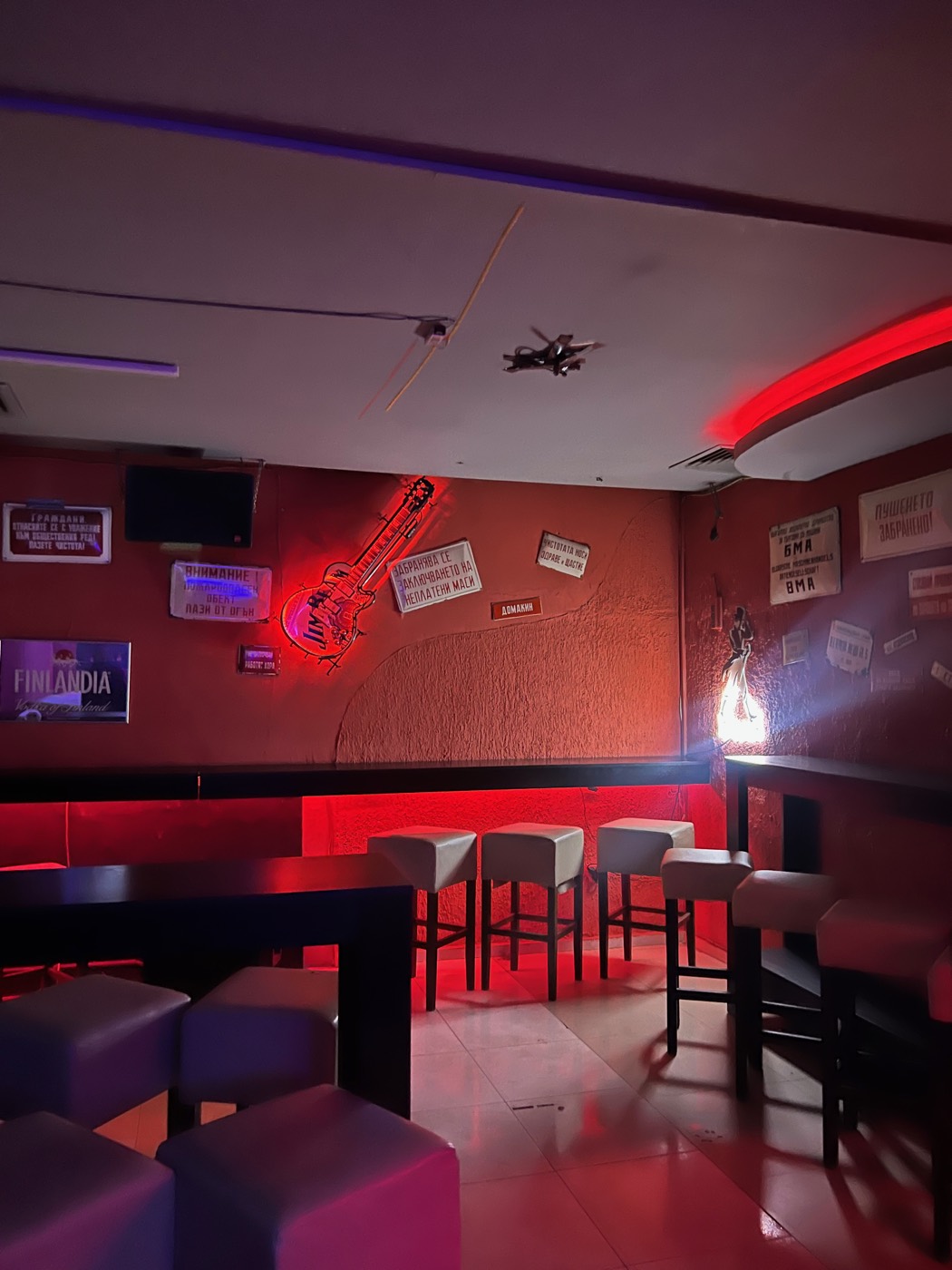
Plovdiv, one street at a time
The next morning we travelled to Plovdiv. After Sofia's broad centre and Rila's scale, Plovdiv felt intimate: uneven cobbles, painted houses, gates opening onto gardens, church towers, and views that appeared whenever the street climbed.
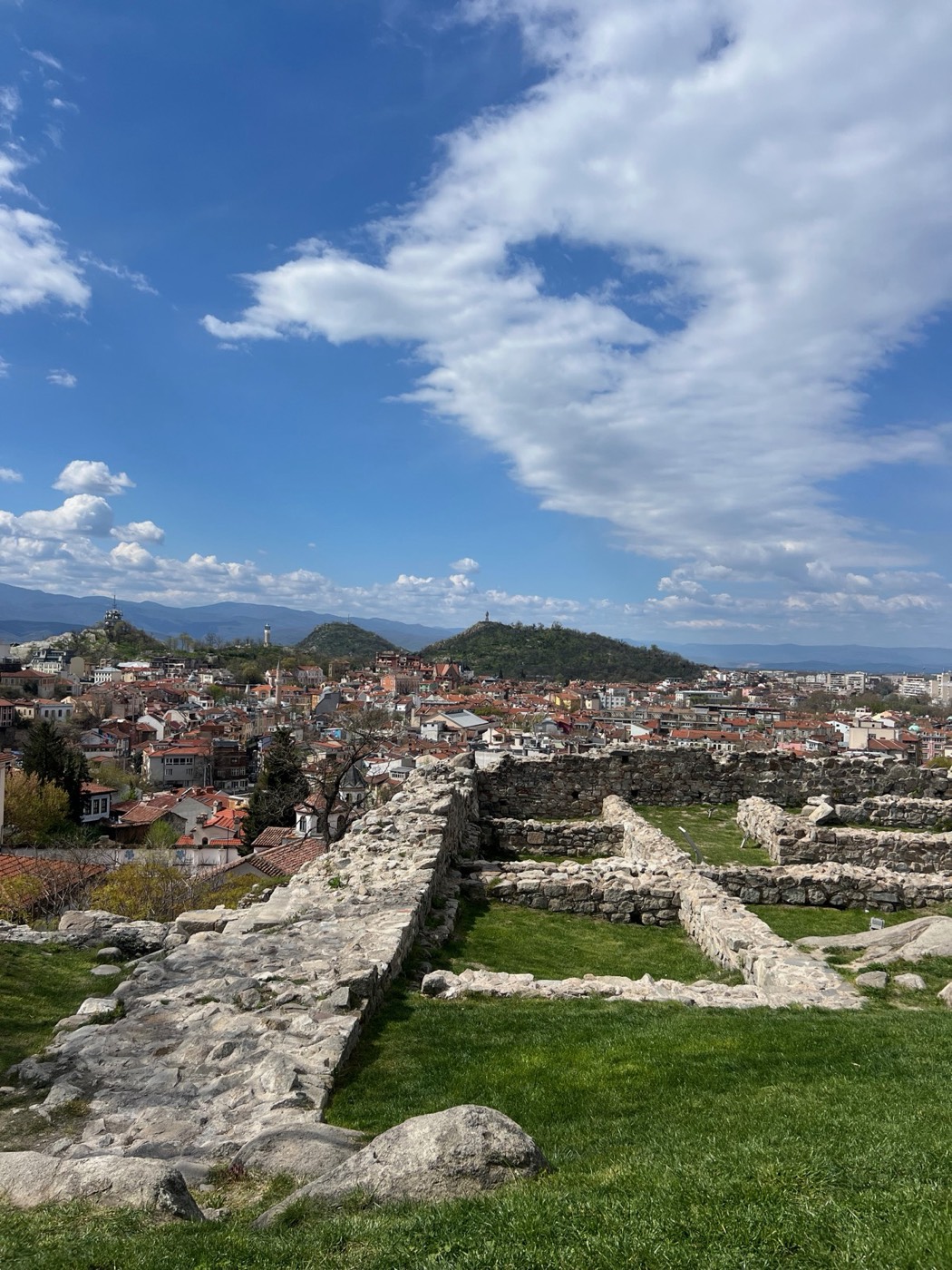
The Old Town made me slow down. Its Revival-era houses lean over narrow lanes with upper floors wider than the ones below. Around them are fragments of much older Plovdiv, reminders that the city has been rebuilt across centuries rather than in one neat period.
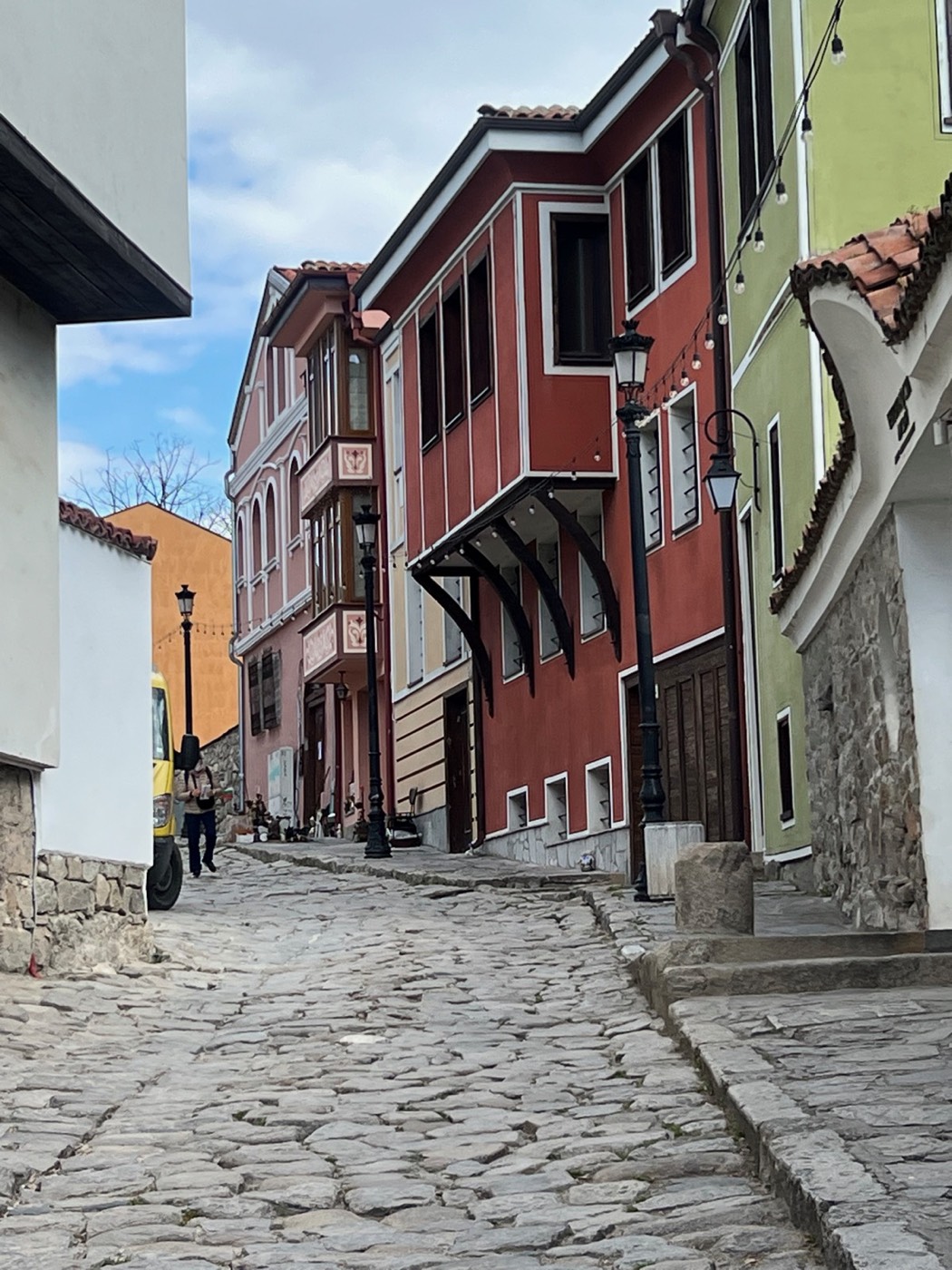
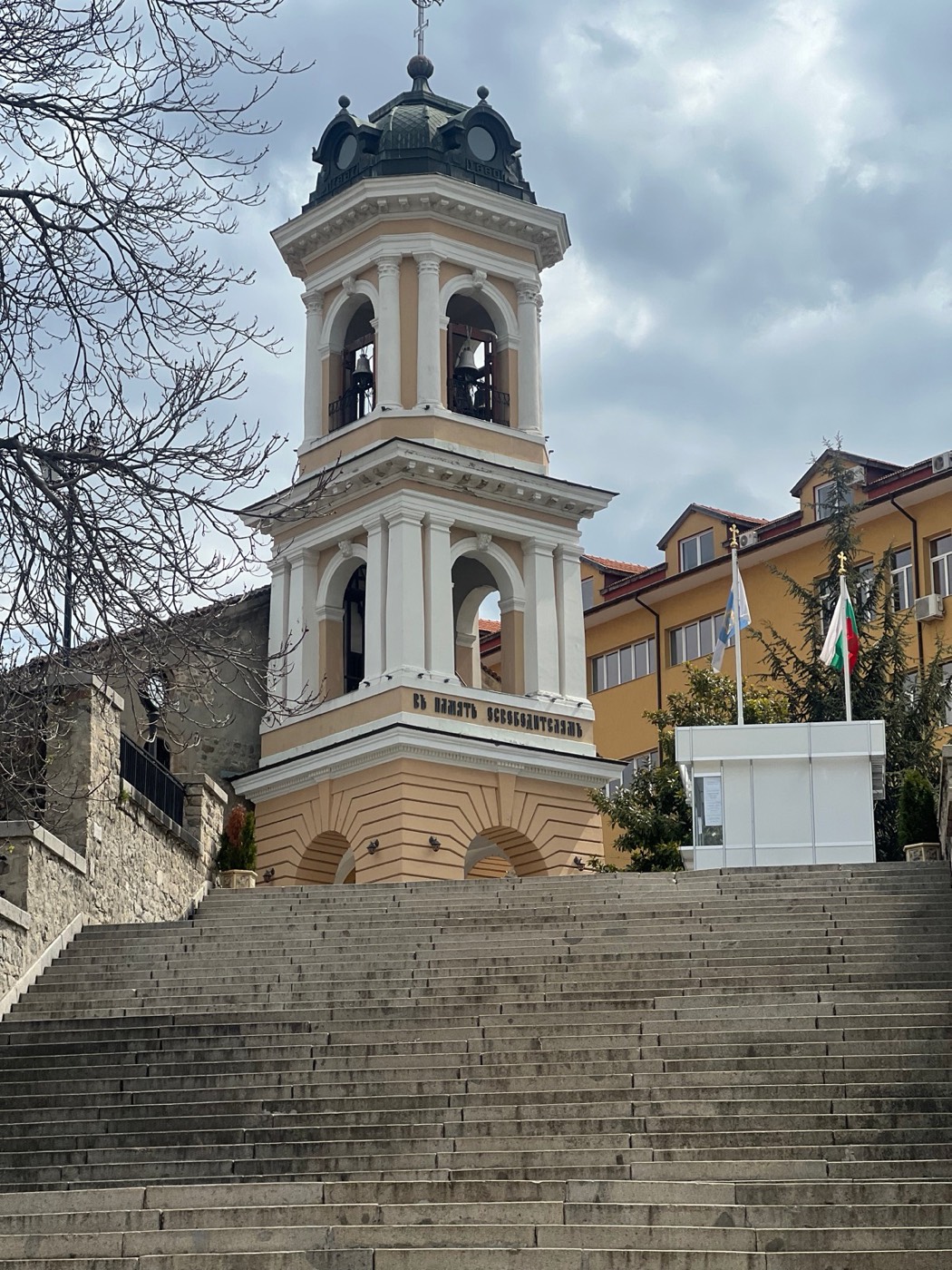
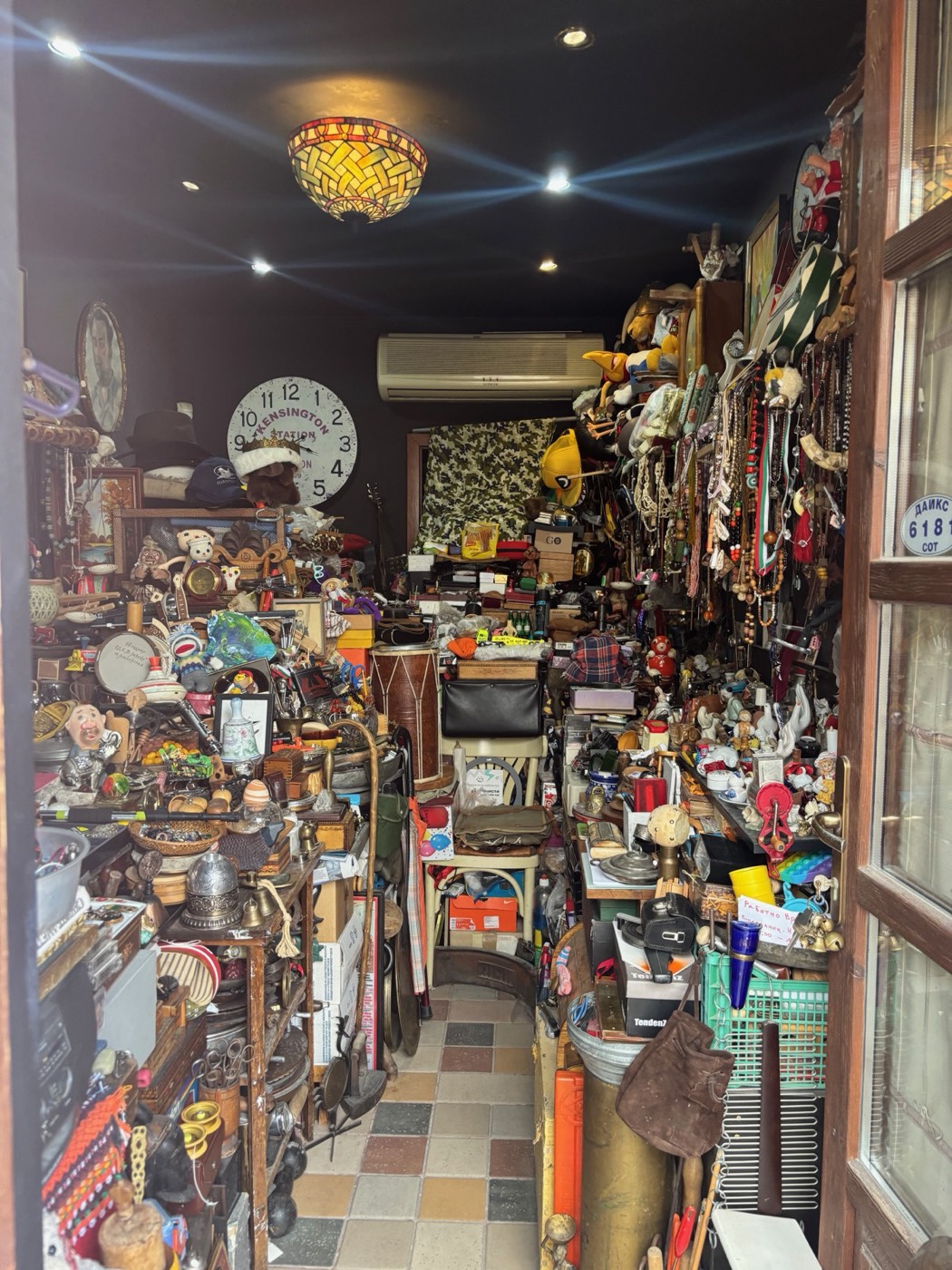
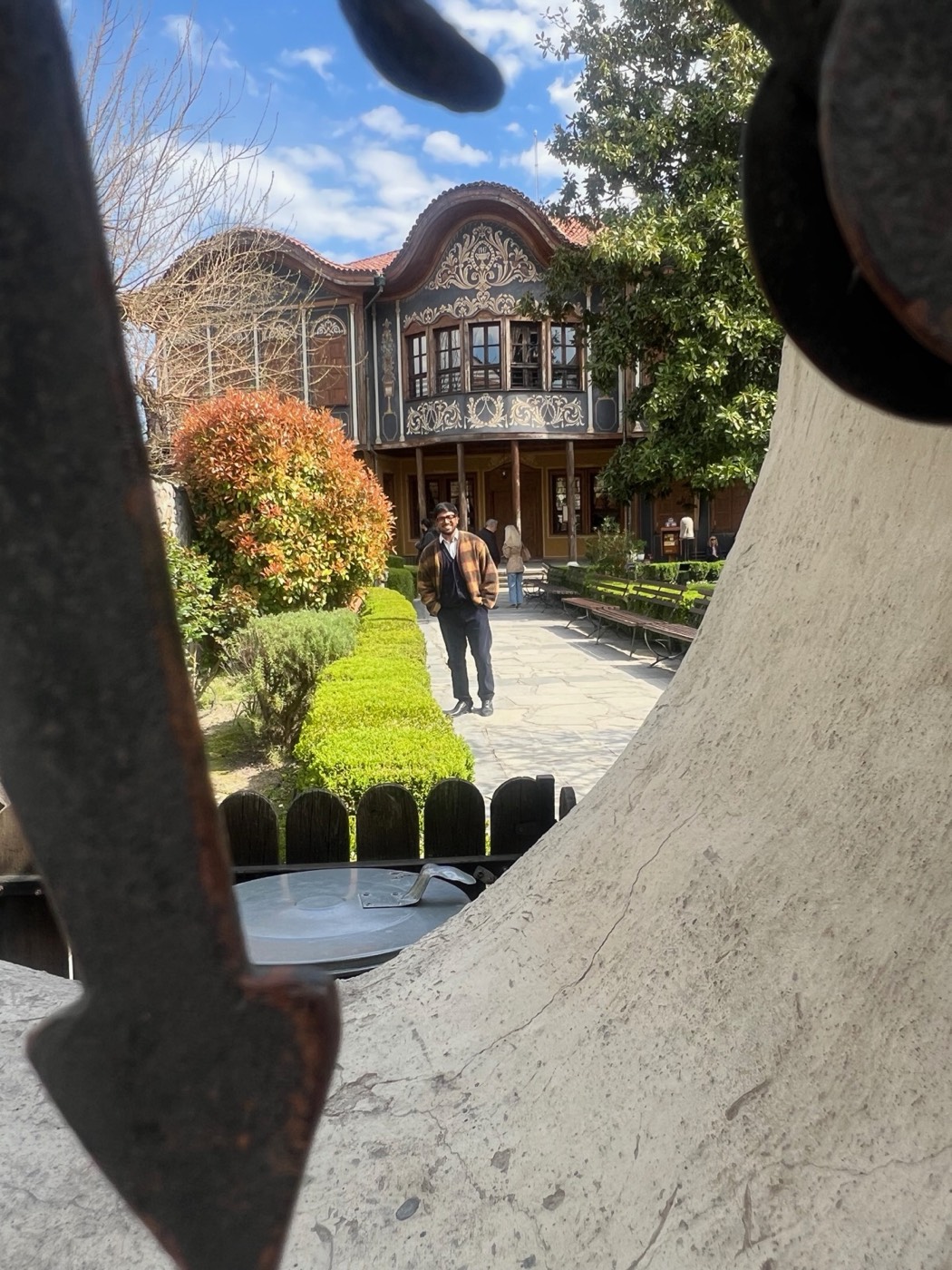
There was room for curiosity between the landmarks. One antique shop was packed from floor to ceiling with clocks, cameras, brass objects and things I could not name. Elsewhere, a garden framed one of the great wooden houses like a stage set. Plovdiv's best moments were these small discoveries between one viewpoint and the next.
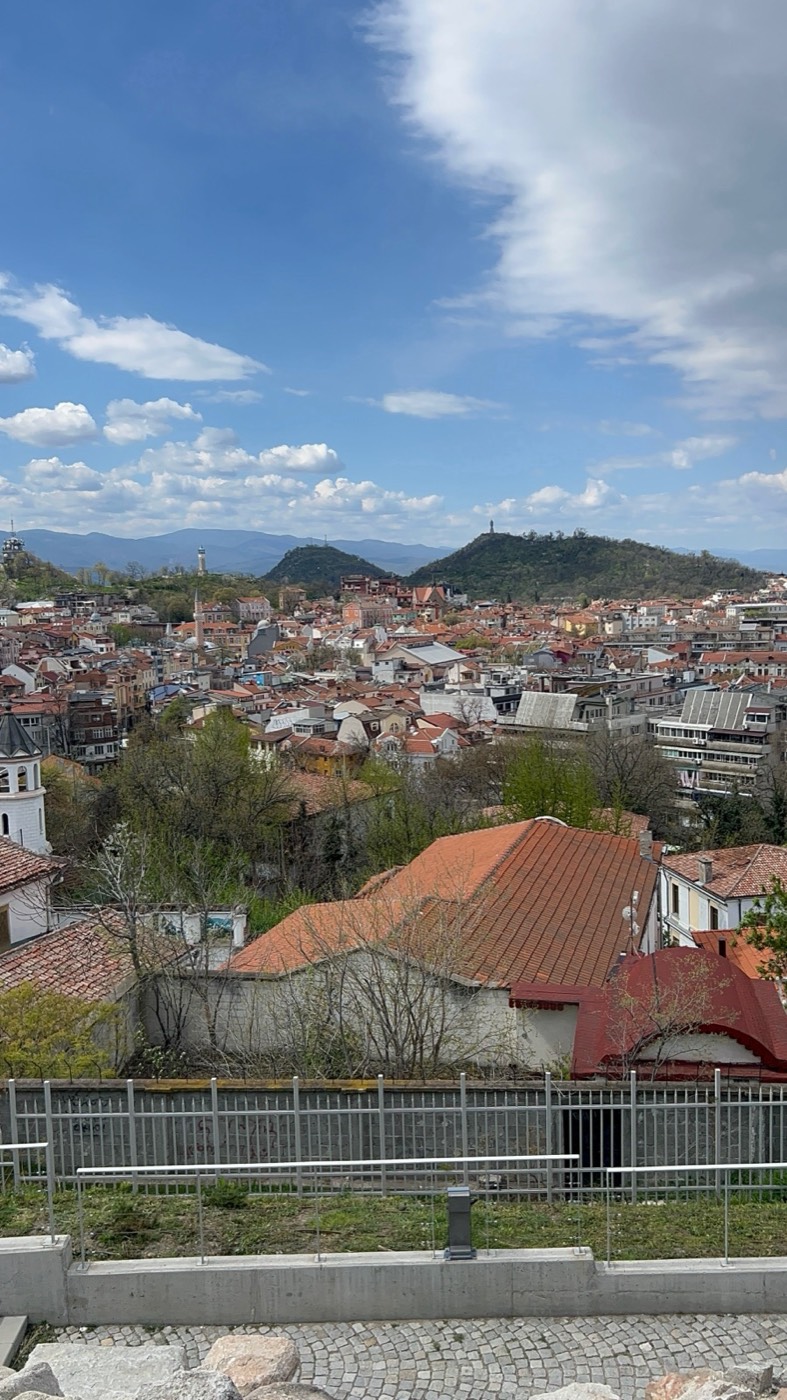
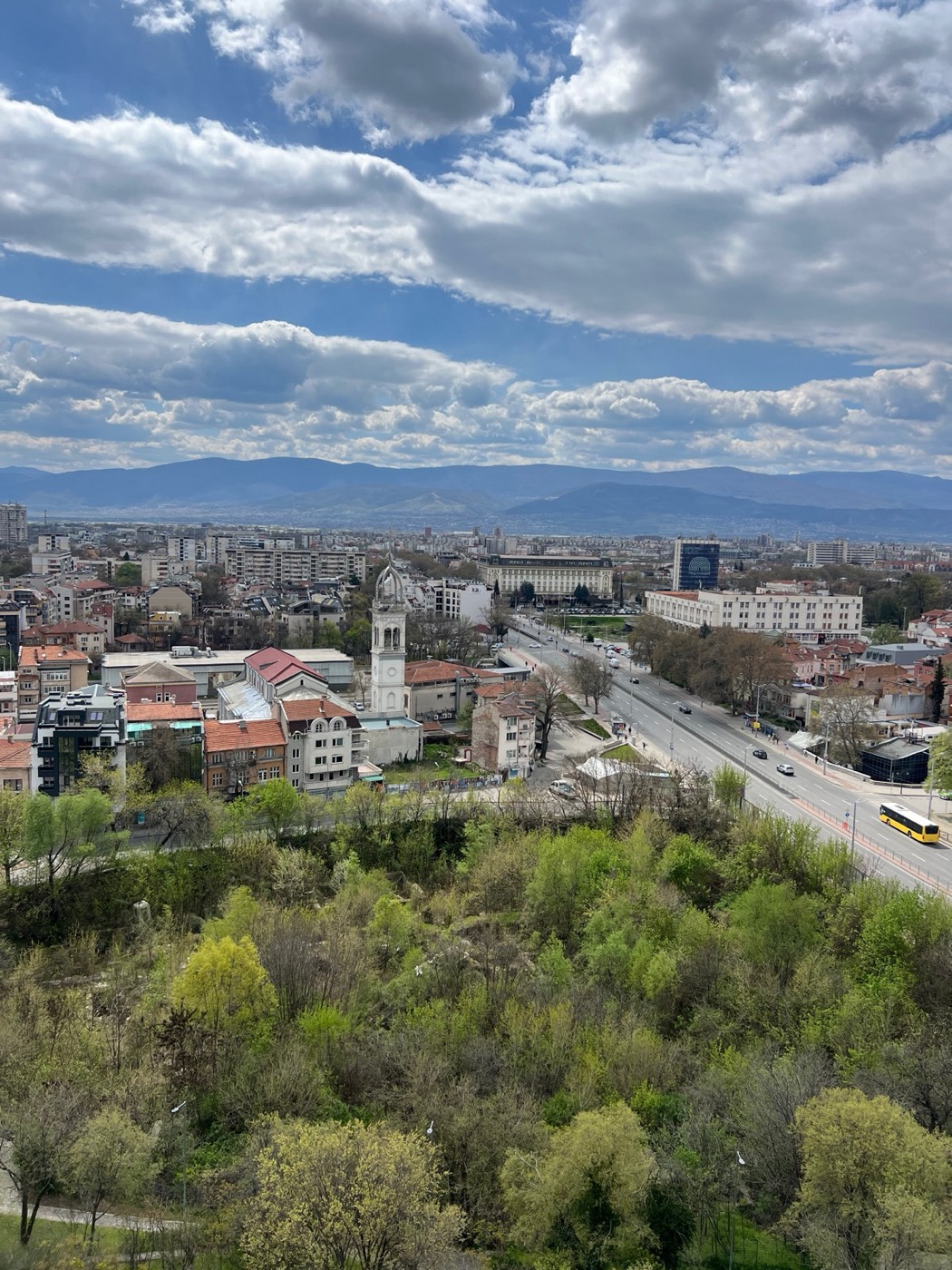
From the hill, the old roofs give way to the modern city and the mountains beyond it. That wide view made the day feel complete: street-level details first, then the whole city at once.
Rahat Tepe: the pause with a view
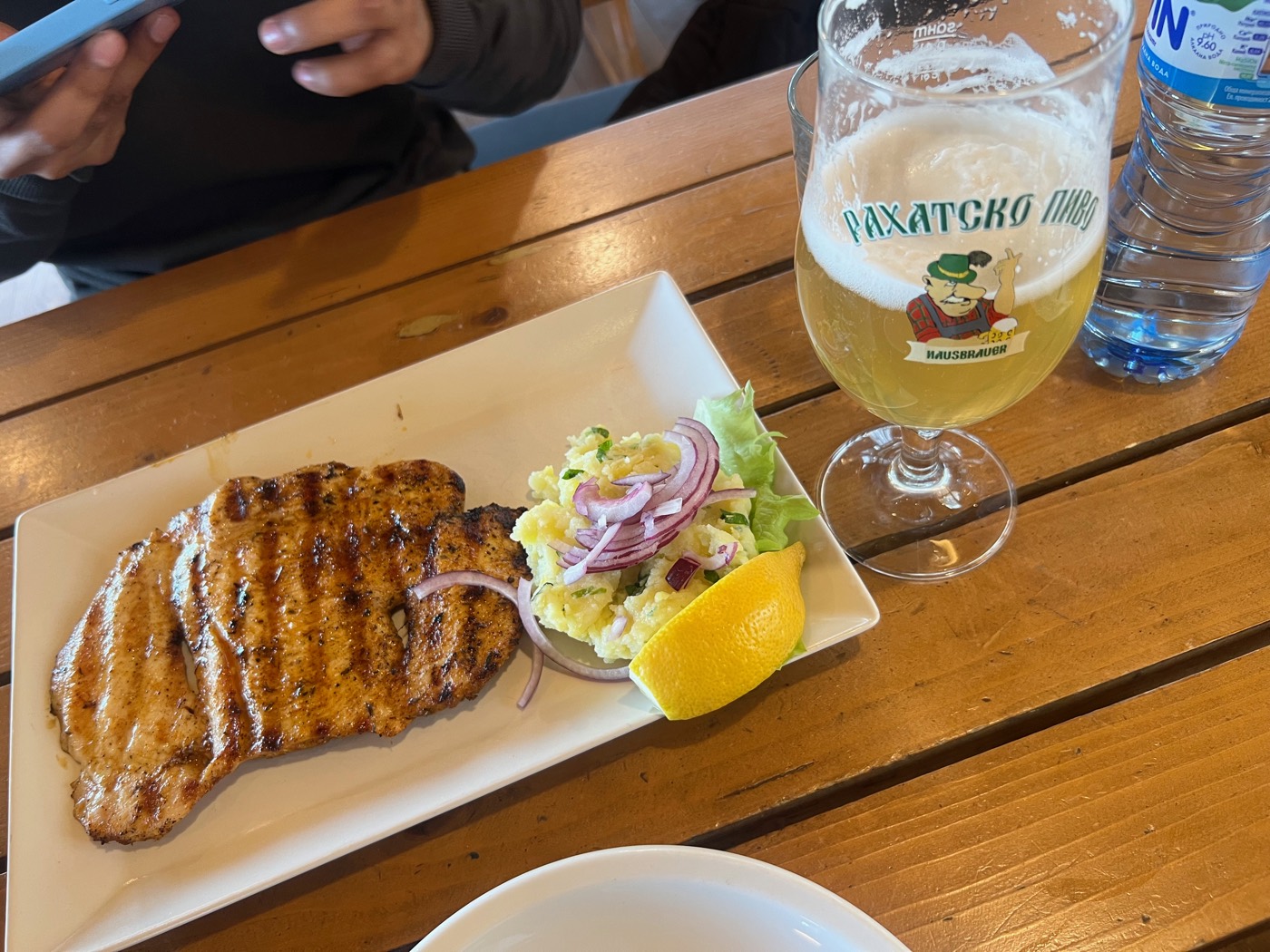
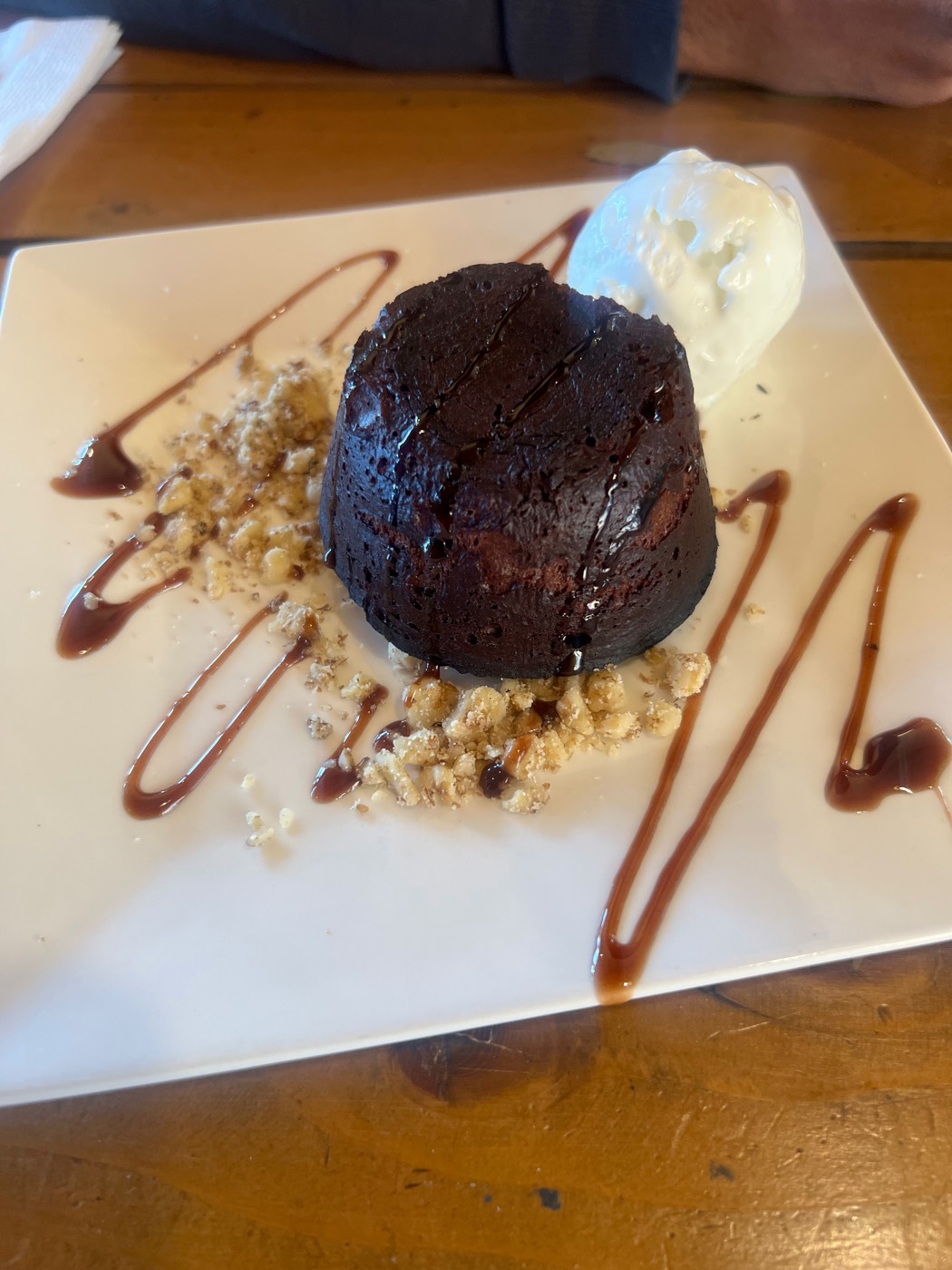
By early afternoon the hill had earned us lunch. Rahat Tepe sits beside Nebet Tepe, high enough for the city to remain part of the meal. Beer arrived first, then grilled meat and vegetables, followed by a dark chocolate dessert.
20 Dr Stoyan Chomakov St · Plovdiv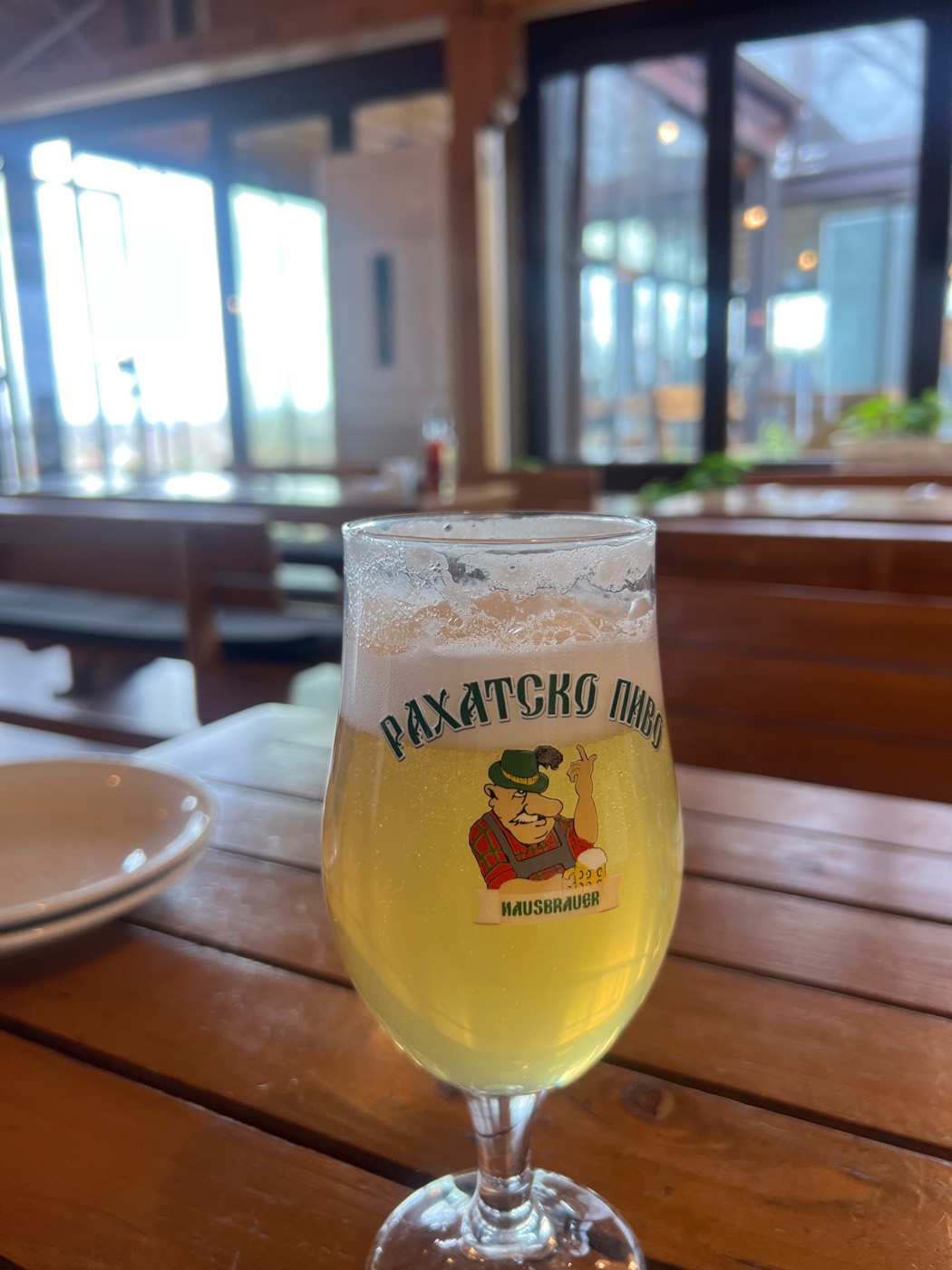
Back where the week began
On April 10 we came back to Sofia before leaving Bulgaria. The route closed into a loop: the city that had felt unfamiliar at arrival now held a week of reference points.
What stayed with me was the change of scale and season. Sofia asked for time, Rila arrived all at once, and Plovdiv rewarded every turn. Together they made a much fuller story than any one stop could have.
spring → snow → old stones → home
Coffee, cake, one final look
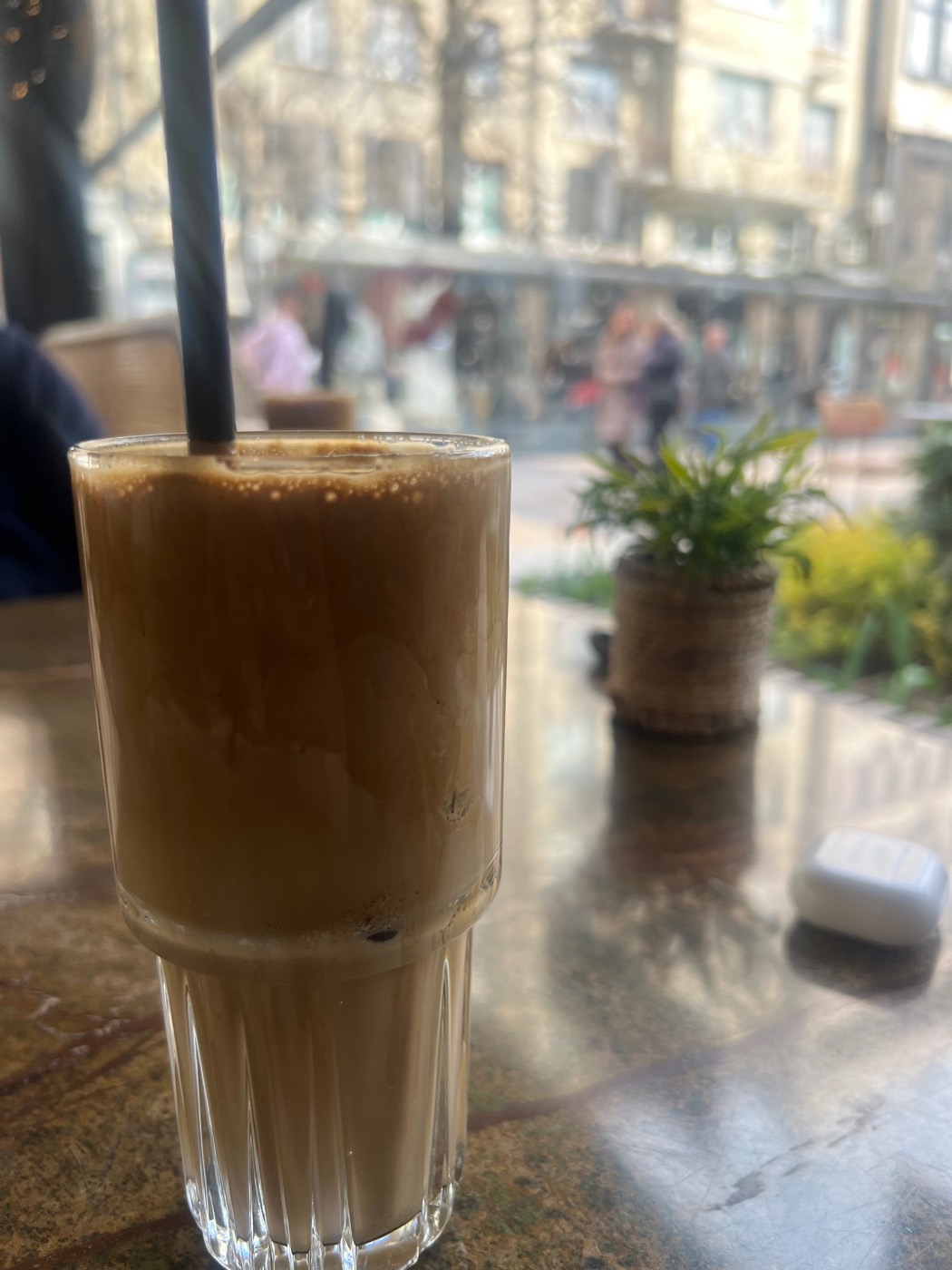
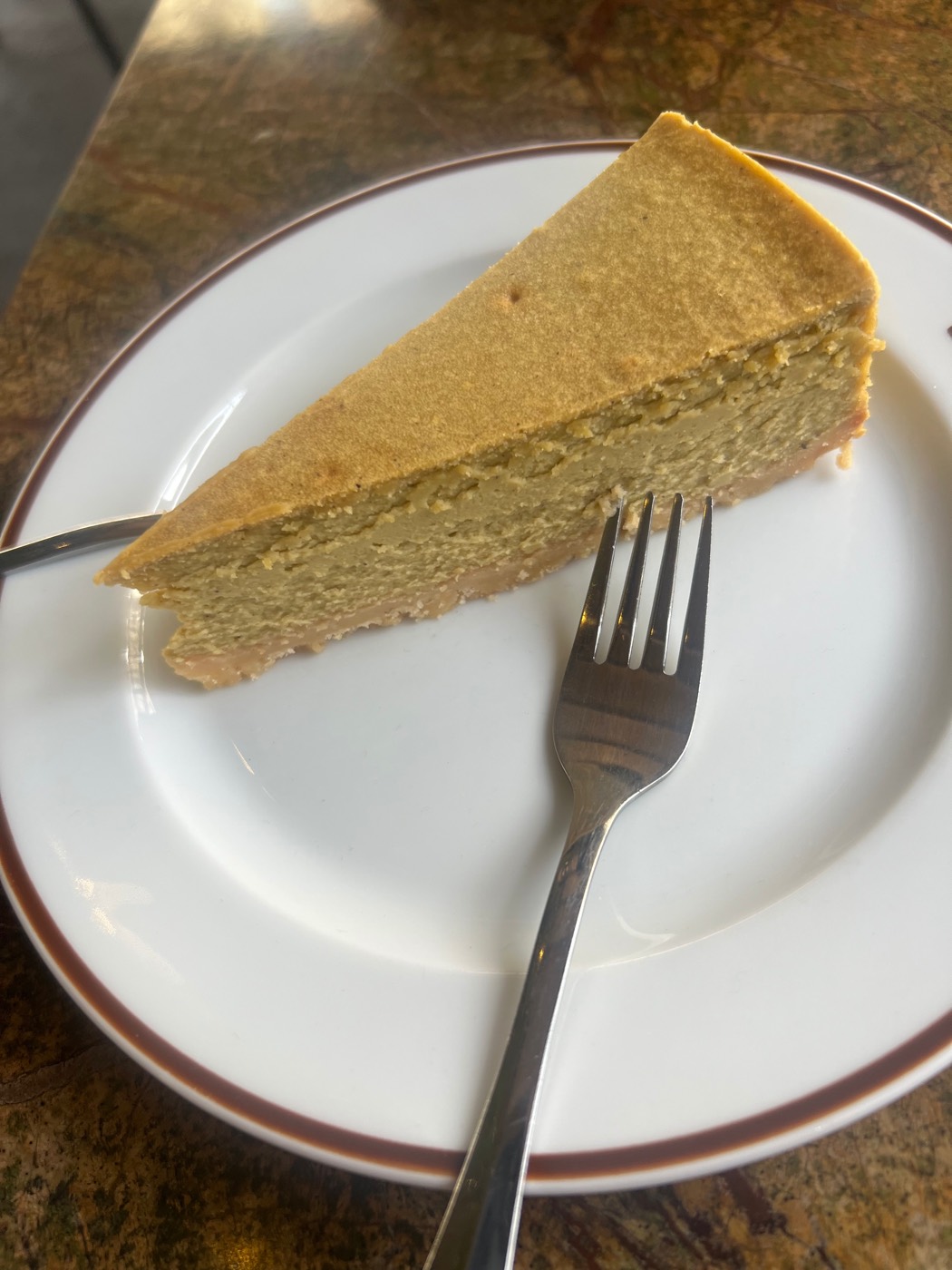
Before leaving, the day narrowed to small comforts: coffee by a window, a slice of cake, and the apartment living room once more—this time with bags ready and the week already turning into a story.